


Nearly $1 Million Grant Awarded to University of Scranton’s Clinical Rehabilitation Counseling Program
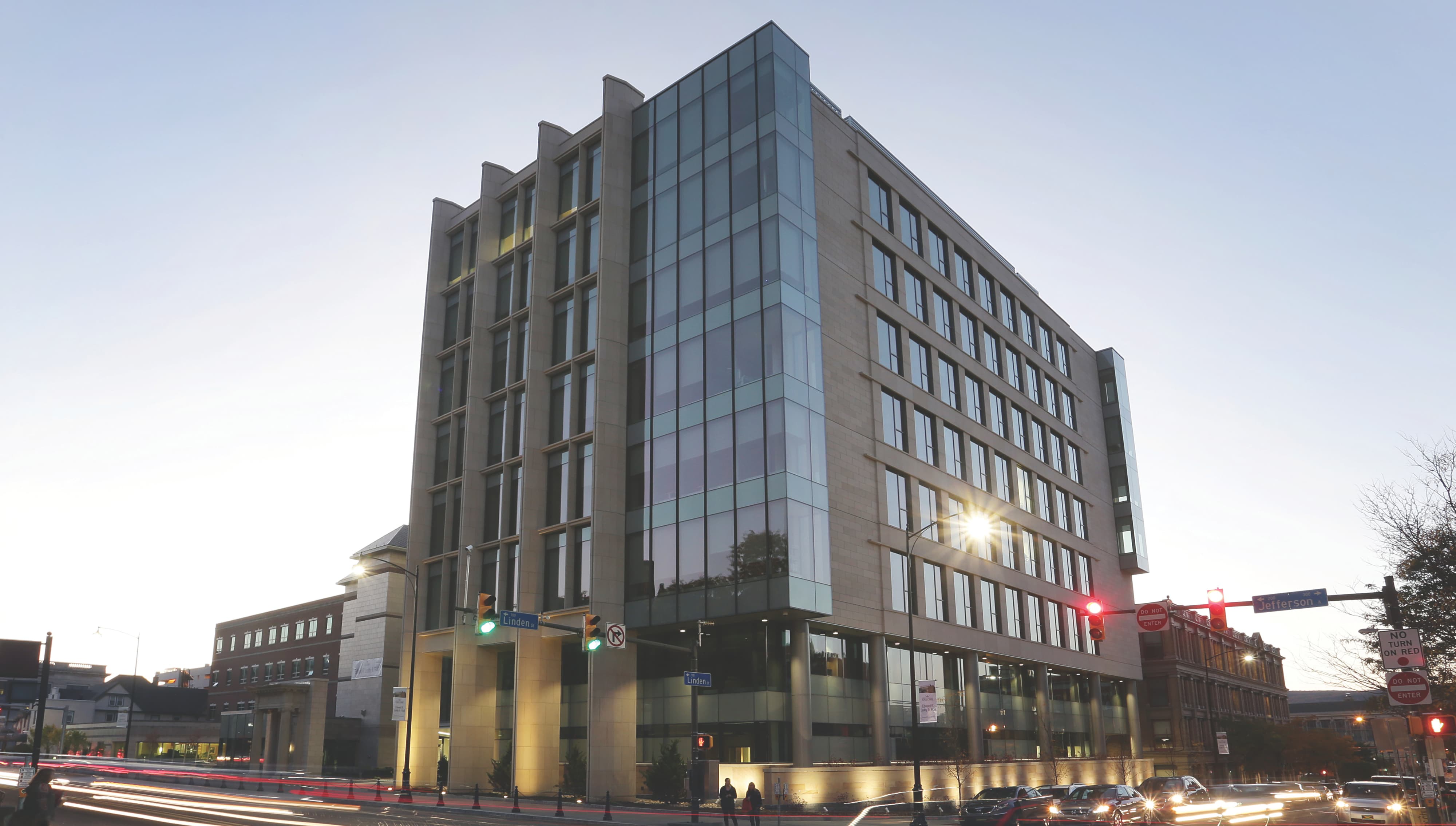

 The University of Scranton's clinical rehabilitation counseling program has been awarded a five-year grant, totaling nearly $1 million, from the U.S. Department of Education's Rehabilitation Services Administration (RSA). The grant will help broaden program accessibility and provide scholarships to graduate students who will be trained as skilled practitioners in a critical field.
One of The University of Scranton’s most historic and highest-achieving programs has been awarded a nearly $1 million federal grant.
The University of Scranton’s clinical rehabilitation counseling program will receive a five-year grant, totaling nearly $1 million, from the U.S. Department of Education’s Rehabilitation Services Administration (RSA). The grant, which will provide scholarships to graduate students at Scranton and will also broaden program accessibility through online and hybrid learning formats, was announced Monday, Jan. 12, in partnership with U.S. Representative Rob Bresnahan ’12 through an official press release.
“The University of Scranton plays an important role in preparing students for careers that meet real needs in our communities,” said Rep. Bresnahan in the press release. “That’s why I’m proud to have helped secure this critical funding to expand access to training and help address workforce shortages in rehabilitation and counseling services. I will always fight to bring tax dollars back to Northeastern Pennsylvania to strengthen programs our communities rely on.”
The rehabilitation counseling profession itself was significantly shaped — and in many ways created — by the federal government. It emerged in the early 20th century as a result of injured veterans returning from war and desiring a sense of normalcy. As the demand for these services grew, so, too, did the need for qualified professionals. Because of service demand and concomitant federal commitment to rehabilitation programmatic success, a handful of programs were started at well-established, graduate degree-granting colleges and universities.
Clinical rehabilitation counseling practitioners are charged with helping individuals overcome developmental, emotional, mental and physical disabilities while also encouraging autonomy and removing the social and attitudinal barriers that restrict full participation for people with disabilities.
“As a Catholic, Jesuit institution, The University of Scranton teaches our students and graduates to be ‘for and with others.’ We must not only serve others but stand in solidarity with them,” said Rev. Joseph G. Marina, S.J., University of Scranton president. “The clinical rehabilitation counseling field is a shining example of this Jesuit ideal. Our students are trained to treat — but even more importantly, accompany — individuals as they face emotional, physical and psychological challenges. They work with the underserved and overlooked, treating them with the humanity and dignity they deserve and that ultimately helps them flourish.”
The grant will fund tuition scholarships and increase the pool of highly qualified, master’s-level rehabilitation counselors, thus addressing regional personnel shortages. The degree was previously offered only on-campus, but will now also be offered entirely online or as an on-campus/online hybrid, making it accessible to more students.
Scranton’s nationally recognized rehabilitation counseling program, which offers a Master of Science degree, was established in 1965. It is the second-oldest such program at a Catholic college or university in the U.S.
Since its inception, Scranton’s rehabilitation counseling program has prepared 976 graduates who have gone on to serve people with disabilities in both public and private settings. Data shows rehabilitation counselors are likely to serve 1,500 to 2,500 individual clients in a career, meaning Scranton’s graduates are estimated to have served about 1.5 million clients with disabilities.
In addition to the teaching rooted in Jesuit values and instruction coming from world-class educators, Scranton’s innovative program features state-of-the-art video technology at the David W. Hall Counselor Training Center, which enables students to record counseling sessions with hands-on supervision.
“We are very honored to have received this grant award, as it is a significant validation of the commitment to excellence of those who have built and sustained this program for over 60 years,” said Samantha Herrick, Ph.D., associate professor of counseling and human services and director of the University’s Clinical Rehabilitation Counseling Program. “This grant will allow us to carry forward our mission into the future by increasing capacity and expanding access for qualified applicants with a passion for empowering others to reach their full potential.”
The clinical rehabilitation field offers strong employment rates and salaries, as well as opportunities to engage in meaningful, life-changing work. Additionally, Scranton alumni remain connected to the program long after graduation, evidenced by the 60-year anniversary celebration and reunion held this fall.
The grant will award the University’s program with five payments over a five-year period, totaling $999,909.16.
U.S. News & World Report recently ranked Scranton’s rehabilitation counseling program as No. 2 in Pennsylvania and in the top 50 in the U.S., reflecting its strong reputation across the nation.