SLP Students Follow ‘Recipe for Connection’ at Pittston Coffee Shop (PHOTOS)


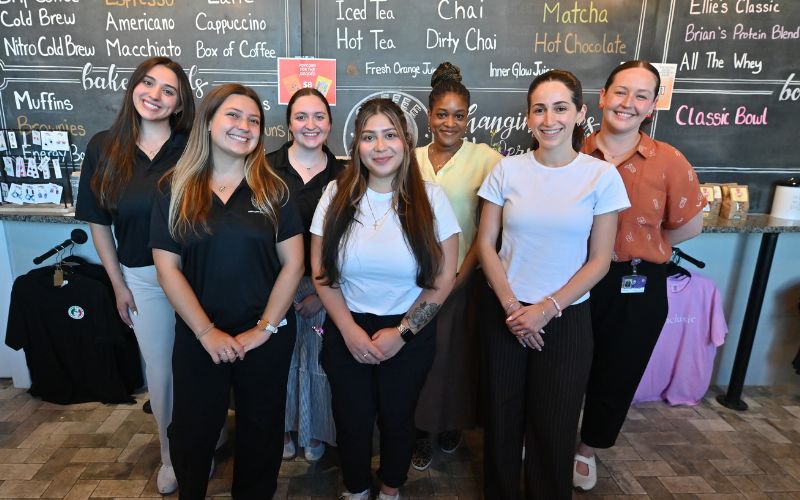
 “Recipe for Connection” was a four-week cooking class hosted this summer at Coffee Inclusive in Pittston. The class paired students in The University of Scranton’s Distance Education Master of Science in Speech-Language Pathology program with adults with intellectual development disabilities. Pictured, front row, from left:. Tara Carito, University of Scranton clinical education coordinator; Emily Squires; Amanda Hernandez; Christina Di Marzio; Christiane McDonald, University of Scranton faculty specialist; Emily Lukasavage, supervisor. Back row: Marla Kovatch, supervisor; Julia Gallo; Abigail Walsh; Anika Charles, Brenna Diehl.
A four-week class in the summer provided University of Scranton students with hands-on learning and connection — with a side of culinary practice.
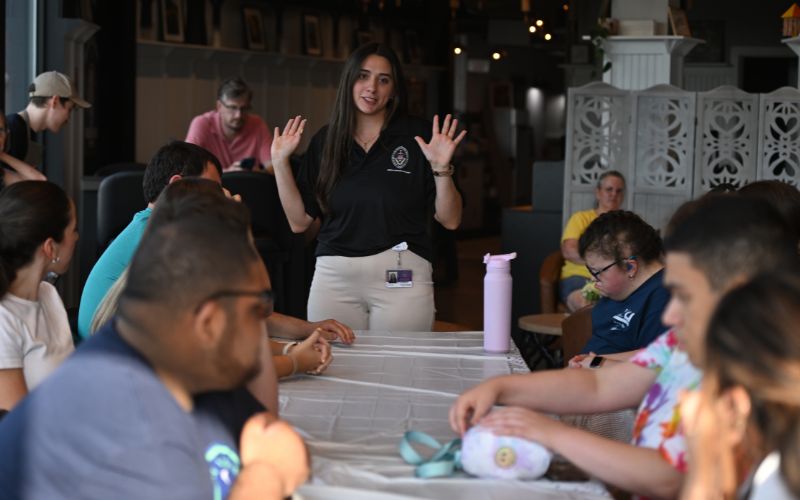
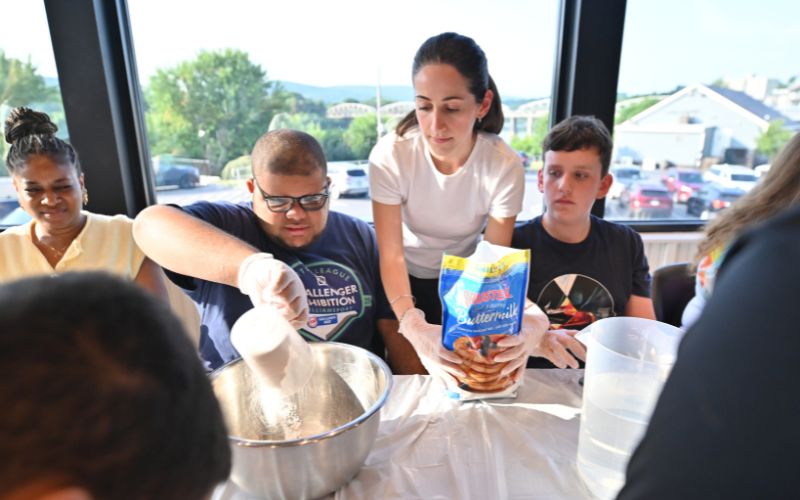
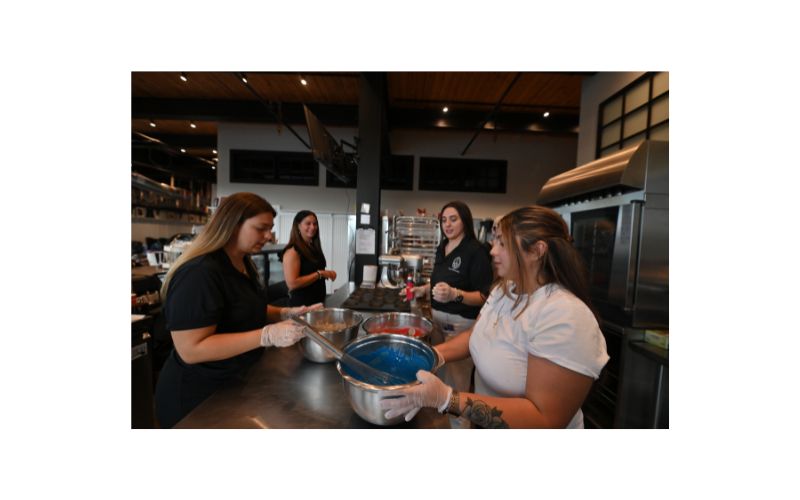
Students in the University’s Distance Education Master of Science in Speech-Language Pathology program participated in “Recipe for Connection,” a cooking program that paired graduate students with adults with intellectual and developmental disabilities. Together, they prepared recipes while practicing communication, social interaction and problem-solving skills in the natural and supportive environment at Coffee Inclusive in Pittston.
“Rather than focusing solely on therapy activities, ‘Recipe for Connection’ creates genuine opportunities for conversation, collaboration and meaningful human connection,” said Tara Carito, the program’s clinical education coordinator. “It is an experience that benefits both our students and the participants they serve.”
Students in the two-year graduate program participated this summer in their in-person clinical experiences through partnerships with Coffee Inclusive, as well as the Scranton School for the Deaf and Hard of Hearing Children and the Waverly Community House. These placements allowed students to apply their developing knowledge to real-world settings.
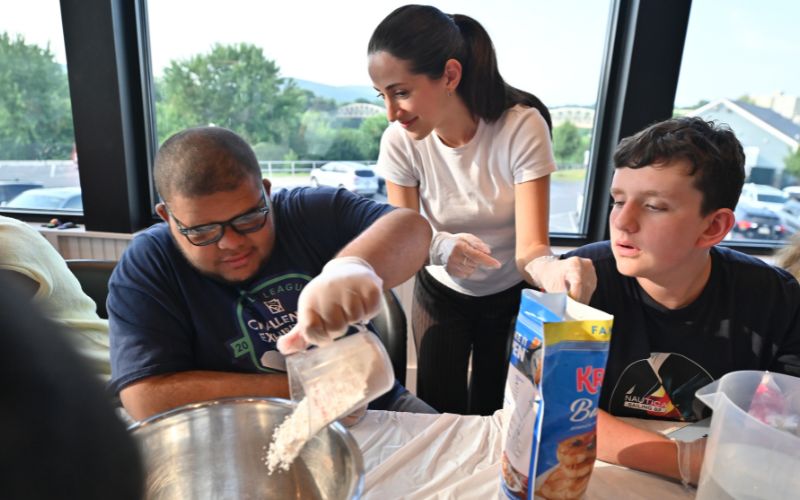
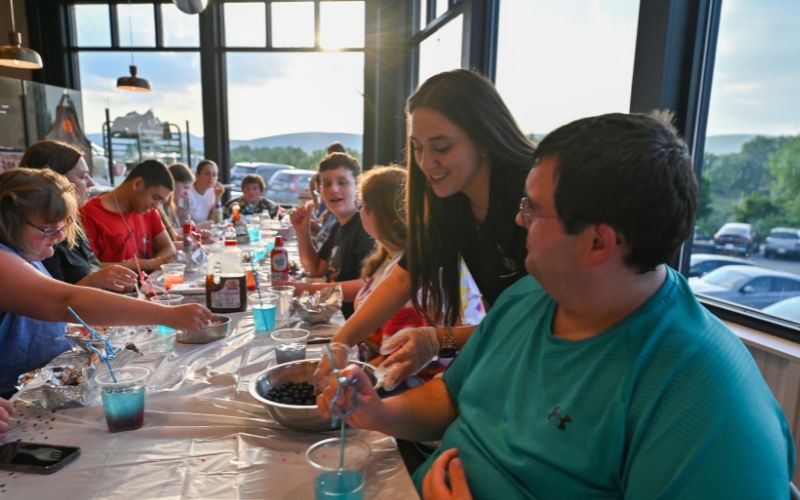
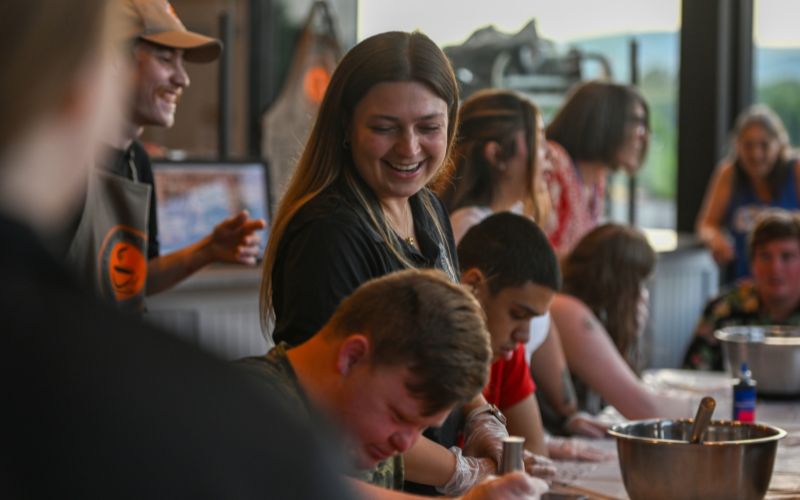
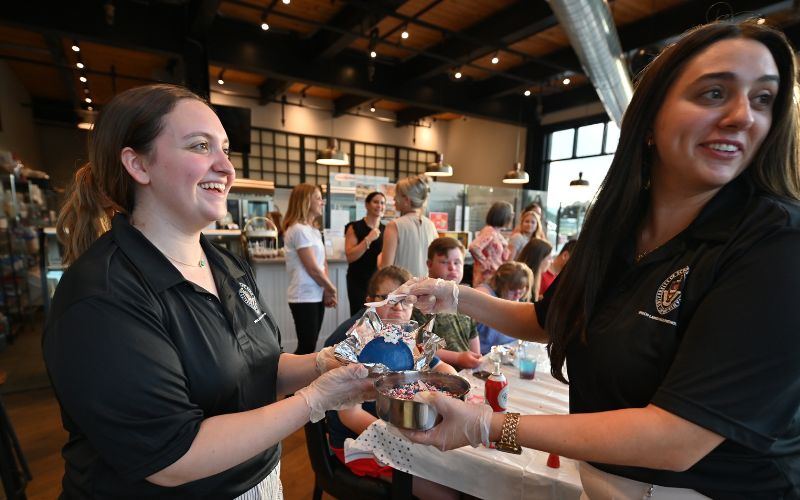
While cooking may seem like a straight-forward activity, it naturally brings together many of the communication skills needed in speech-language pathologists.
“As a meaningful takeaway from the experience, every participant received a recipe book featuring all of the recipes they created together, allowing them to continue enjoying the meals and memories long after the program concluded,” Professor Carito said.
The graduate students will continue their clinical training in the upcoming academic year through supervised placements in schools in the fall, followed by adult-based clinical placements in the spring.
For additional coverage, please read WVIA’s article about “Recipe for Success.”