New Locations for Office of Student Support and Success, Military Science Program


 University of Scranton Office of Student Support and Success (OSSS) welcomes visitors to its new venue on the second floor of Alumni Memorial Hall (AMH). Shown at bottom left are Matthew Smith, OSSS Manager, and Academic Accommodation Specialist Melissa Del Rio. U.S. Army Lt. Col. Kyle A. Surridge, shown at right, invites students, staff and faculty to visit the new location of the Military Science Program at Roche Hall, on the corner of Mulberry Street and North Webster Avenue. In the background, a map illustrates The Royal Mile, a one-mile loop on the University campus.
The new academic year delivers countless opportunities to explore The University of Scranton campus, including a stroll along The Royal Mile. The path of the one-mile loop stretches from North Webster Avenue to Jefferson Avenue, and presents a chance to visit the new locations of two student-centric hubs of activity.
The Office of Student Support and Success (OSSS) welcomes visitors to its new venue on the second floor of Alumni Memorial Hall (AMH).
"We've gained over 2,000 square feet being in this new space," said Matthew Smith, OSSS Manager, comparing it to the office's previous home base at St. Thomas Hall.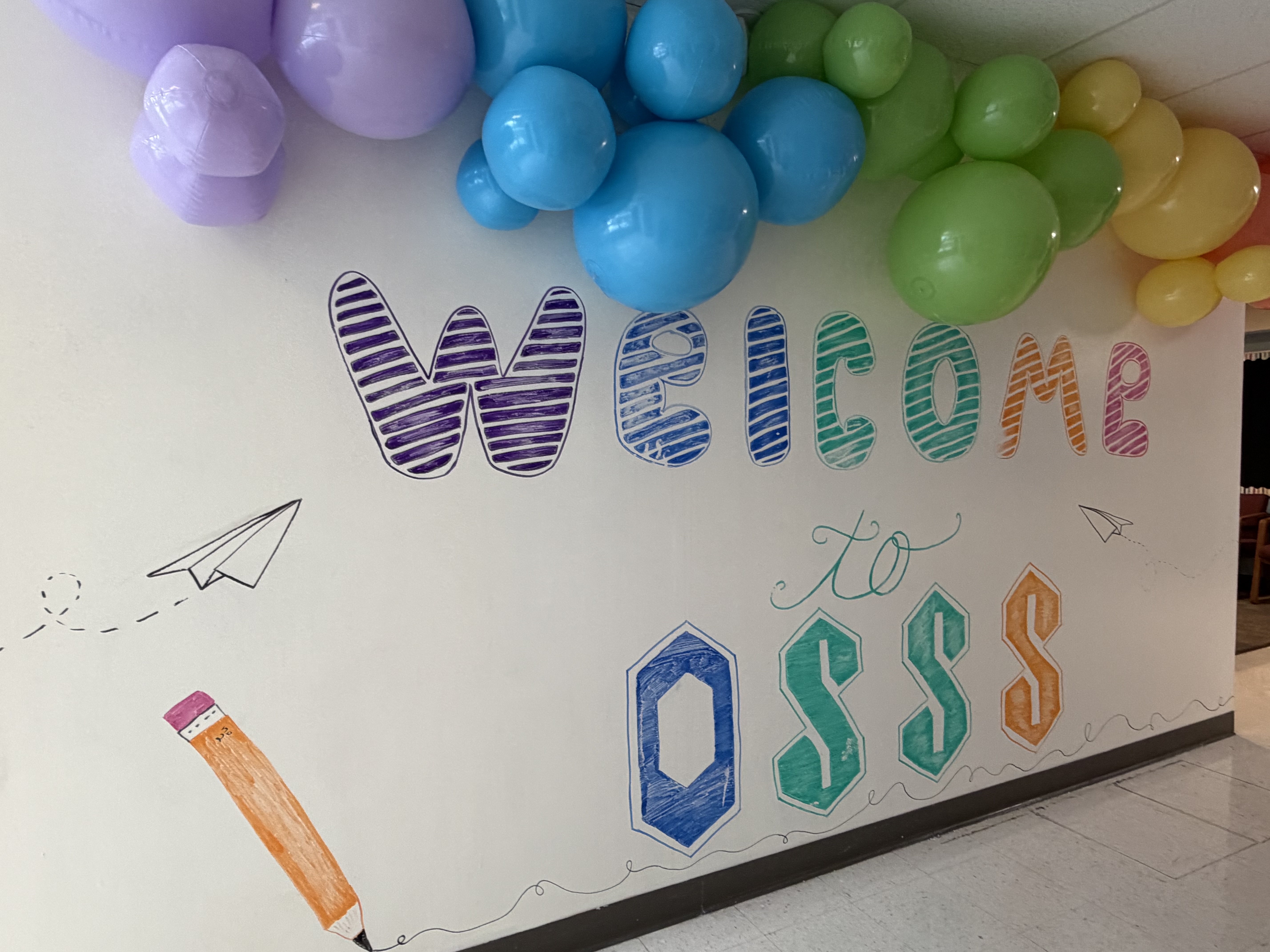
WHAT TO EXPECT AT THE OSSS
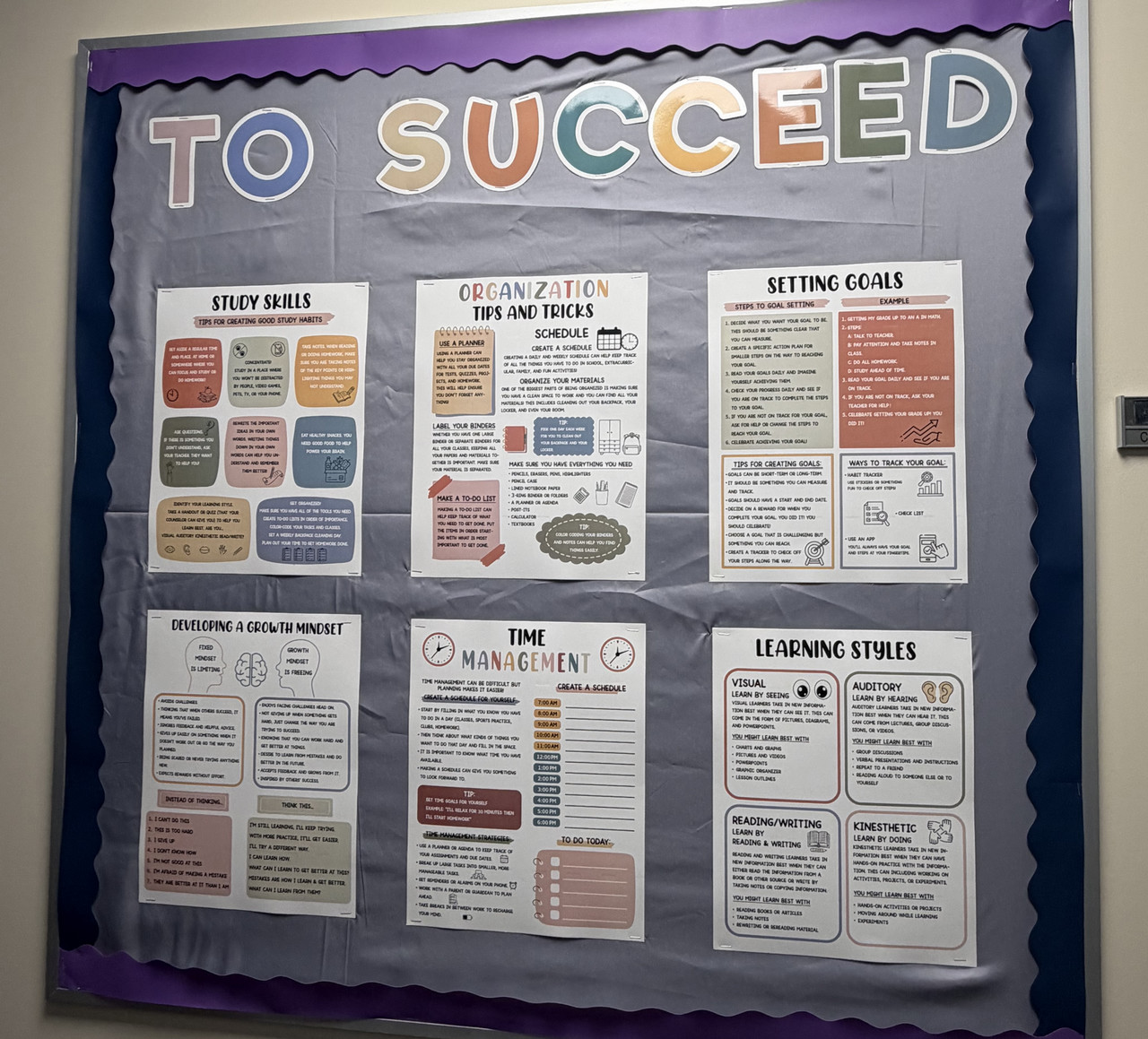
This newly redesigned space will provide additional capacity for accommodated testing, individual student meetings, tutoring coordination, coaching and other forms of academic support. It will also create a more visible and welcoming environment in which students can connect with the University’s learning and accessibility resources.
* testing accommodations
* academic success coaching
* academic accommodations and support
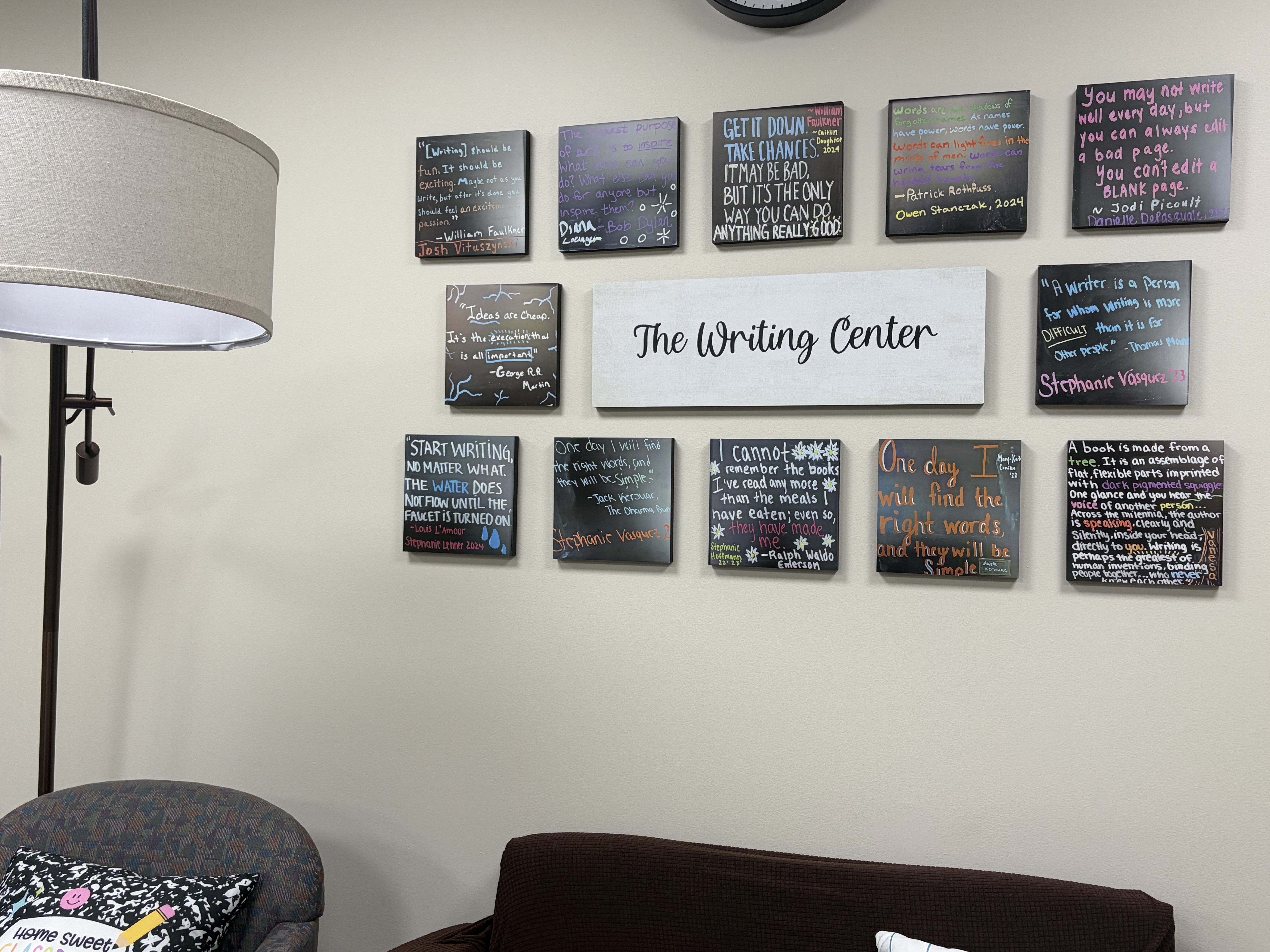
* an expanded Writing Center, shown below,
* the central hub for tutoring services, which will continue to be offered at locations across campus
* a dedicated space designed to support neurodivergent students
“The goal of the new OSSS space is to make academic support and accessibility resources easier for students to find, understand and use. This move reflects a broader effort to strengthen the University’s academic support infrastructure and to create an environment where seeking support feels like a normal and positive part of the college experience,” said George J. Aulisio, Ph.D., dean, Weinberg Memorial Library.
“By bringing these services together in a more visible and welcoming location, we can improve coordination, expand capacity and create a more cohesive experience for students, helping us connect them with the right support at the right time and better position them for success.”
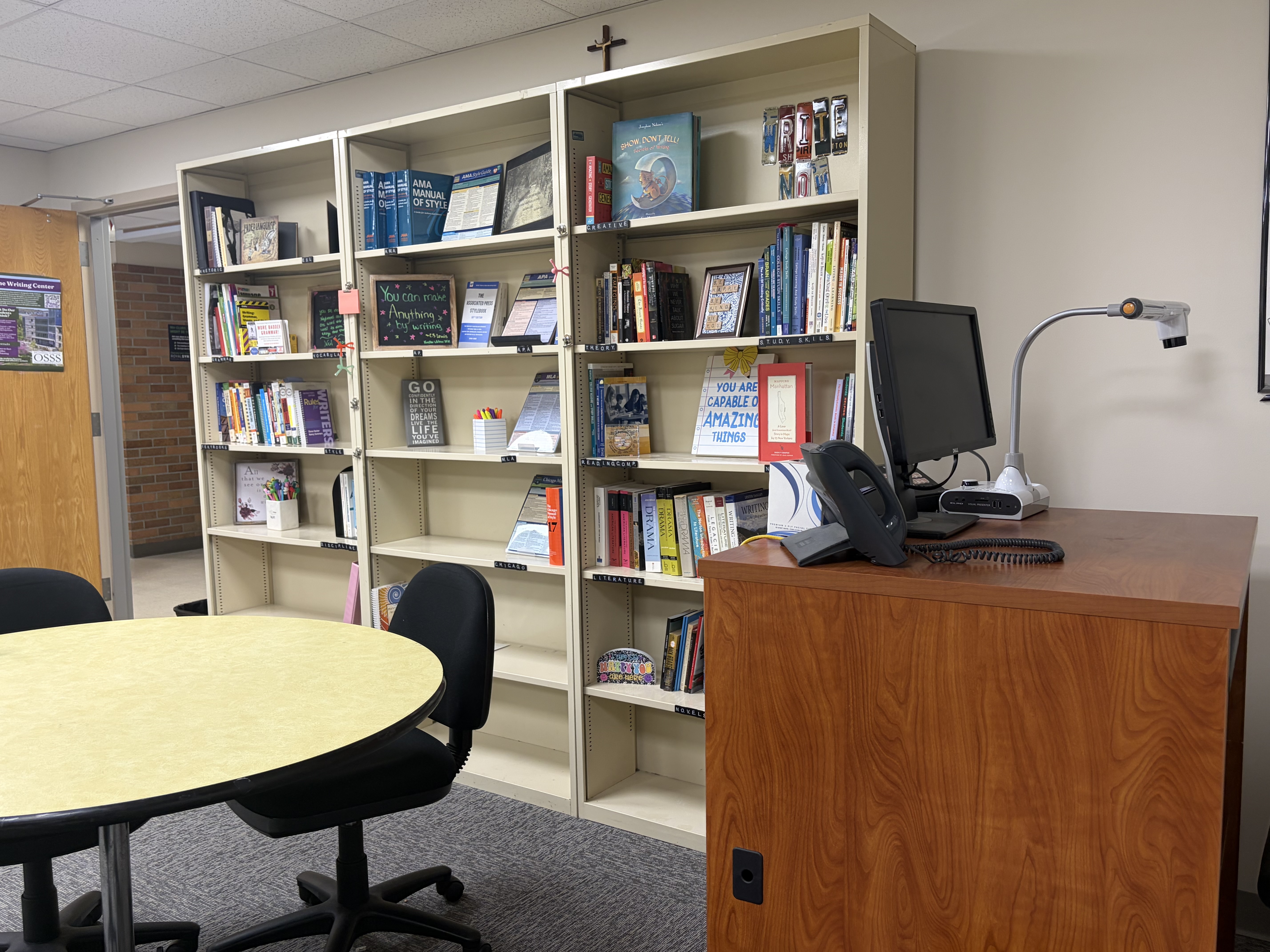
The team, with a combined 50-plus years of experience in their fields, includes: Smith, Student Success Specialist Stanton Estwick, Disability Support Specialist Rosemary Termini, Writing Center Coordinator Corinne Flynn, Math Specialist Tom Leong, and Academic Accommodation Specialist Melissa Del Rio.
According to Smith, the OSSS also hires an average of 125 tutors in 40-plus subjects, and five graduate assistants support academic coaching.
"Our services are peer-based, free, and a great way to be proactive in their academic journey," Smith said.
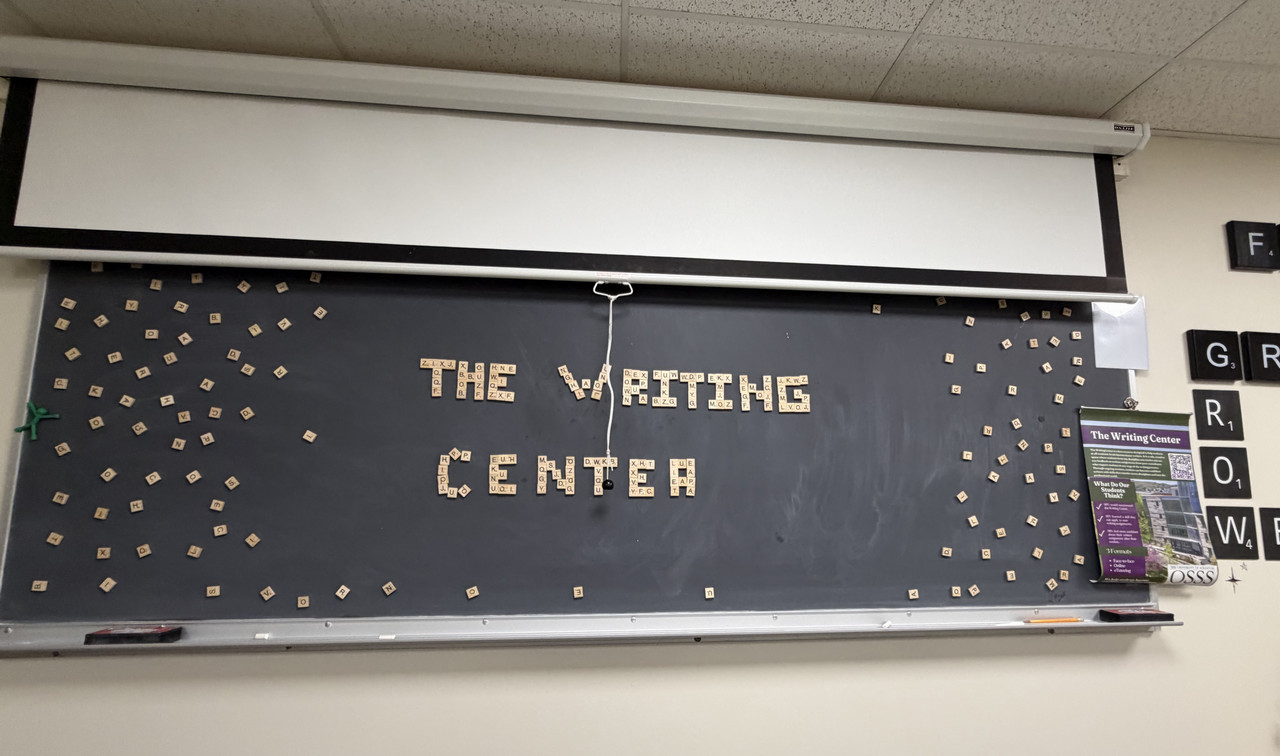
The office also provides a dedicated space for neurodivergent students that features a sensory space with flexible seating and lighting.
"There are a variety of activities as well as dedicated quiet study space. It is a space for students who may need some downtime to decompress, eat, study or connect with a peer," Smith said.
The new location became fully operational on Aug.17, in advance of the fall 2026 semester. This relocation applies only to OSSS; the Center for Teaching Excellence (CTE) will remain in its current location in the Loyola Science Center.
The campus community will be invited to tour the new facility and meet the OSSS staff at an open house during the fall semester. The date and additional details will be announced once the arrangements are finalized.
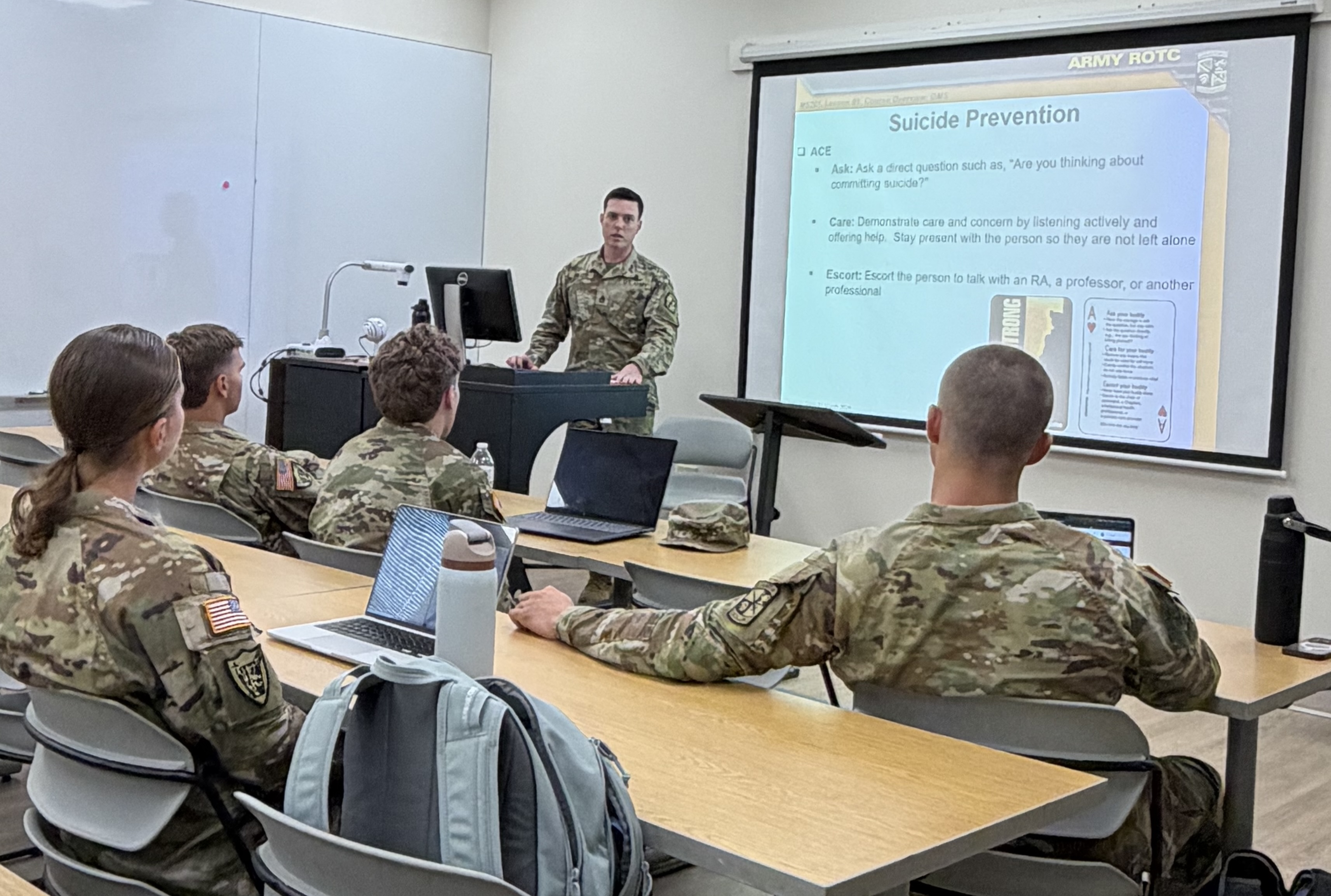
Sgt. 1st Class Michael Miller instructs sophomore cadets in a Military Science course.
Further along the Royal Mile is Roche Hall, on the corner of Mulberry Street and North Webster Avenue. U.S. Army Lt. Col. Kyle A. Surridge invites students, staff and faculty to stop by at any time to visit the new location of the Military Science Program.
Surridge joined the University this summer as a professor of Military Science. The Moosic native celebrated 19 years of service with the U.S. Army in May and recently returned to the area after a tour in South Korea.
“The biggest benefit is that the new location gives us space that better supports what we do. Having a dedicated classroom for the Military Science Program is a major advantage because it gives our cadets a consistent place to learn, train and develop as leaders. ... Overall, the move gives us a more functional and welcoming home for the program," he said.
“It’s been a really positive move for us. The new space gives us more room to work with, a classroom dedicated to military science, updated technology, better building security and an overall more modern environment for our cadets.”
Currently, 96 cadets are participating in the Department of Military Science program, and Surridge noted that the timing of the move is ideal.
"Rock Hall was great; we just outgrew it. We want to thank the University for thinking of us and helping us with the move over the last two weeks. The teams from IT and Facilities Management were great to get us up and running in such a short period of time," Surridge said.
“The Military Science program is really a leadership development program. It’s designed to help students build confidence, discipline, communication skills and decision-making ability. For students who are interested in Army ROTC, it can also open the door to valuable opportunities, including leadership experience, mentorship and professional growth," added Surridge.
“Even if a student is just curious and wants to learn more, I’d encourage them to reach out and have a conversation with us. Students don’t need to know everything about ROTC before stopping by. We’re always happy to answer questions and help students learn whether the program might be a good fit for them.”