


Kauai Trip Connects OT Students to Culture and Care
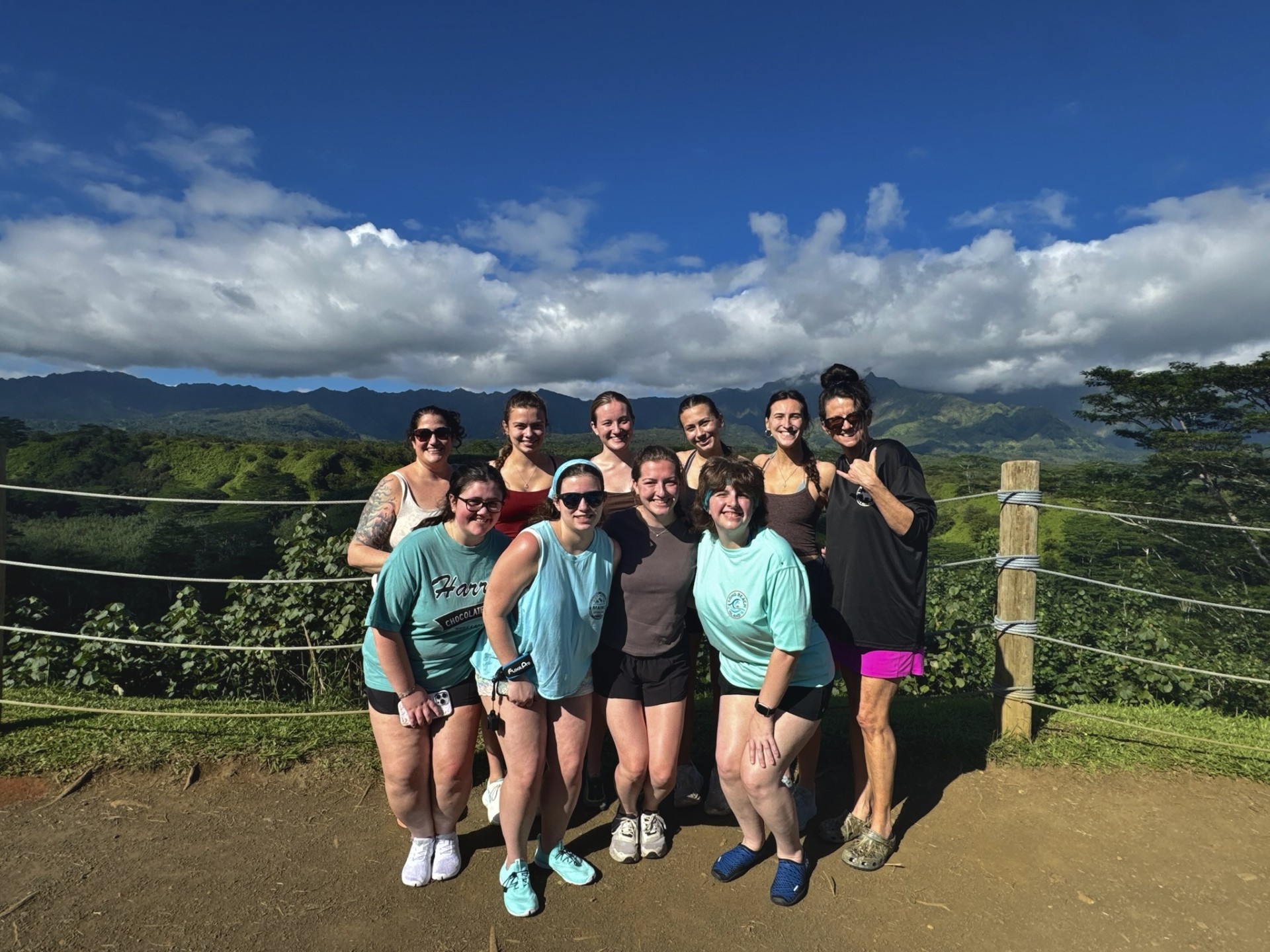

 Occupational therapy students and faculty participated in clinical observation, community outreach and cultural immersion activities across the island.
By Elizabeth Vander Neut '26, student correspondent
Eight University of Scranton occupational therapy students traveled to Kauai, Hawaii, from Jan. 8 to 18, 2026, for a fieldwork and service-learning experience that blended cultural immersion, clinical education and community engagement. Accompanied by faculty members Dr. Lisa Kozden and Dr. Courtney Lancia, the students explored Hawaiian values through fieldwork placements and service opportunities across the island. Meredith Lee '24, OTD'26 and Caitlin Mannion '26 reflect on their experience.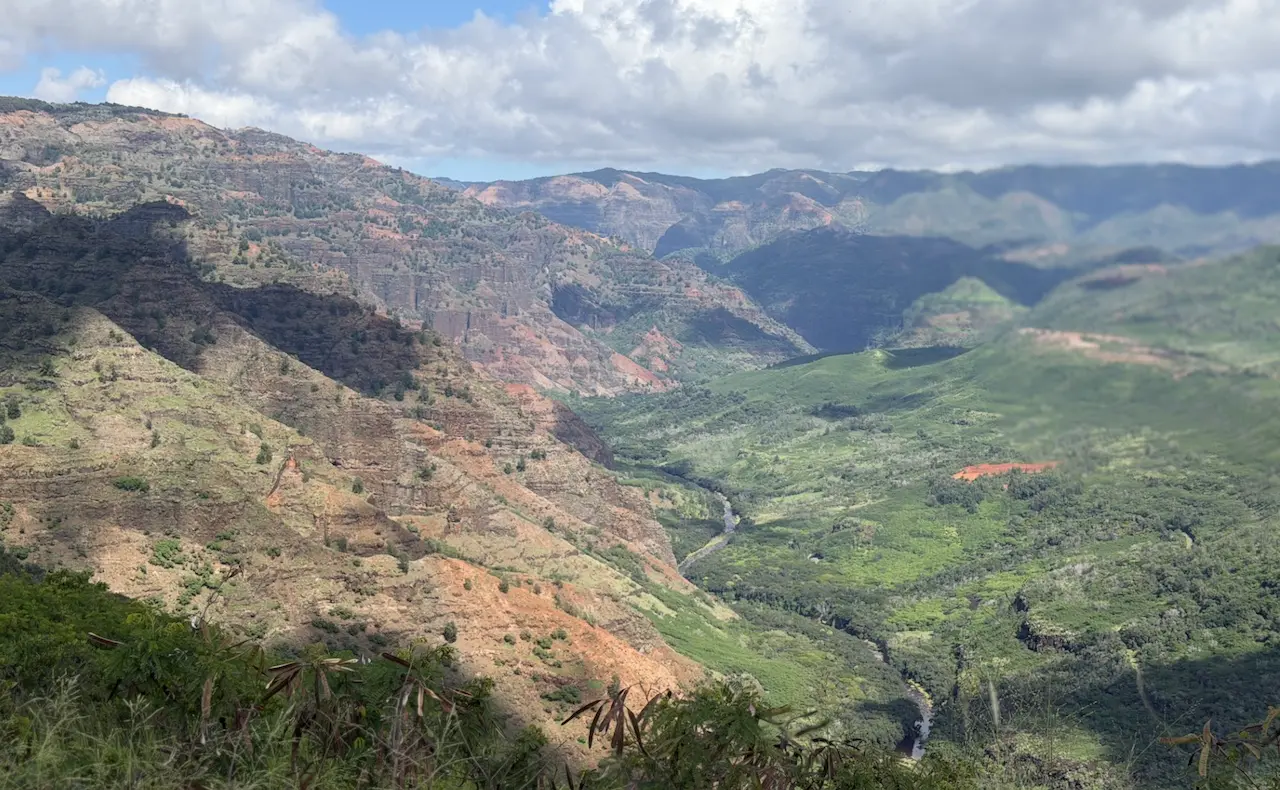
Please share some location and program highlights from your time in Kauai, Hawaii. How long did the trip run, and what did your schedule look like on a daily basis?
Meredith Lee '24, OTD '26: This trip was structured to balance cultural immersion, community service and clinical exposure. Eight students participated in this experience, representing a diverse cohort that included four seniors, two fifth-year graduate students, and two sixth-year graduate students. Two occupational therapy professors accompanied the students on this trip. This diverse cohort made the trip especially unique, as it fostered peer mentorship, collaboration, and shared learning across different stages of professional development.
Daily schedules varied depending on individual roles and placements, but generally included morning cultural immersion activities, community service or fieldwork activities completed by the senior students. In the afternoons and evenings, everyone participated in additional cultural exploration, reflection and group discussions about the activities completed during the day. Community service involved engaging with local organizations supporting individuals with limited access to food and shelter, helping provide access to hot meals, clothing, household items and toiletries. These experiences reinforced the importance of addressing both immediate needs and broader social determinants of health.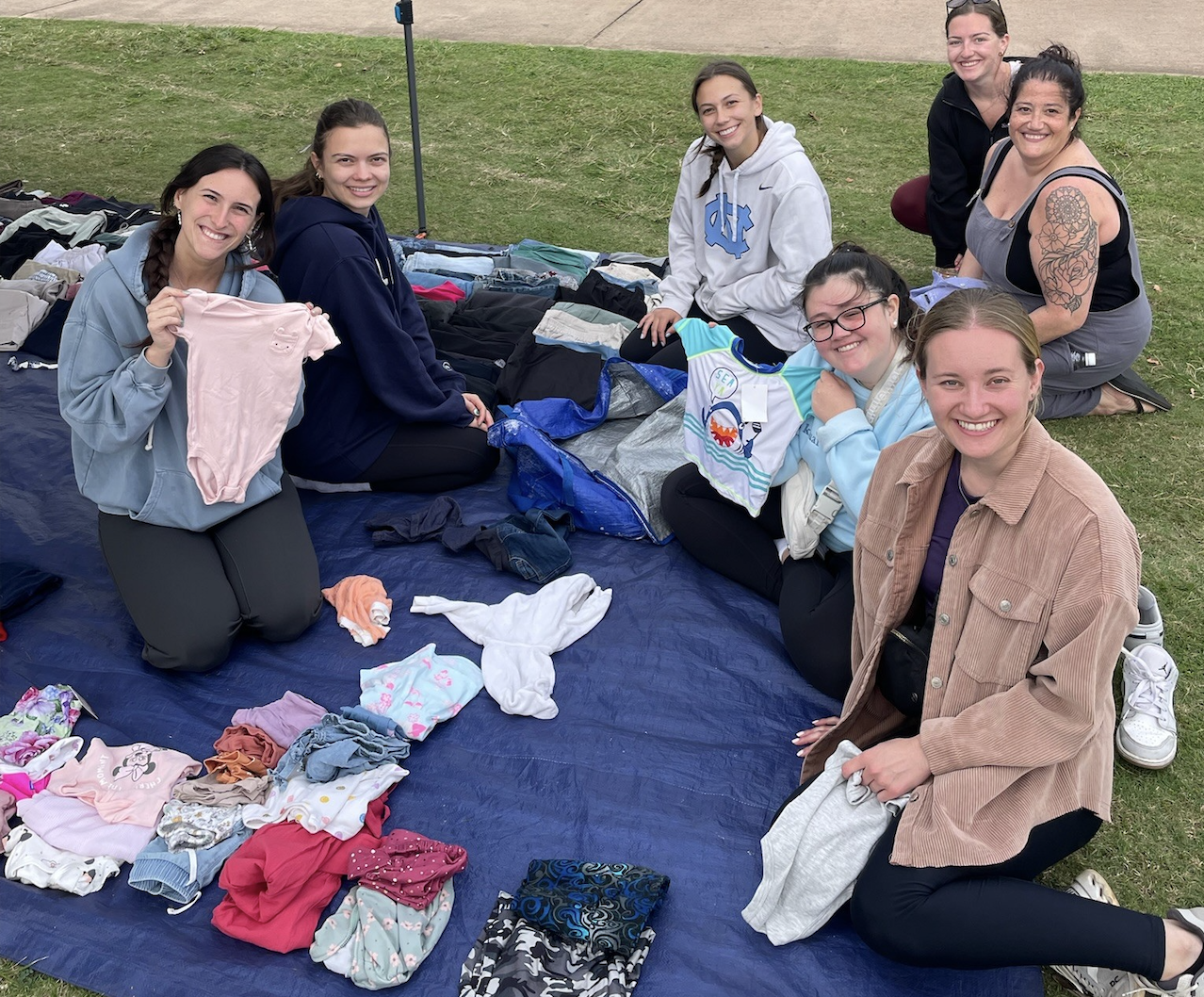
Additional experiences throughout the trip included visiting Waimea Canyon State Park, seeing Hawaiian sea turtles at Poipu Beach, attending a traditional luau with music and hula dancing and sampling traditional foods such as fresh fish and fruit. Overall, the structure of this trip and the richness of the Kauai setting created an experience that was both professionally and personally transformative.
Caitlin Mannion '26: Our 10-day trip allowed us to explore and learn more about the island’s history, culture, and environment. Each day was different as our goal was to embrace the island and whatever came our way. The first few days there we walked around Princeville, where we stayed, finding beautiful paths and trying different food spots. We experienced a luau in Lihue, where we were given a traditional feast and they performed a traditional Hawaiian love story.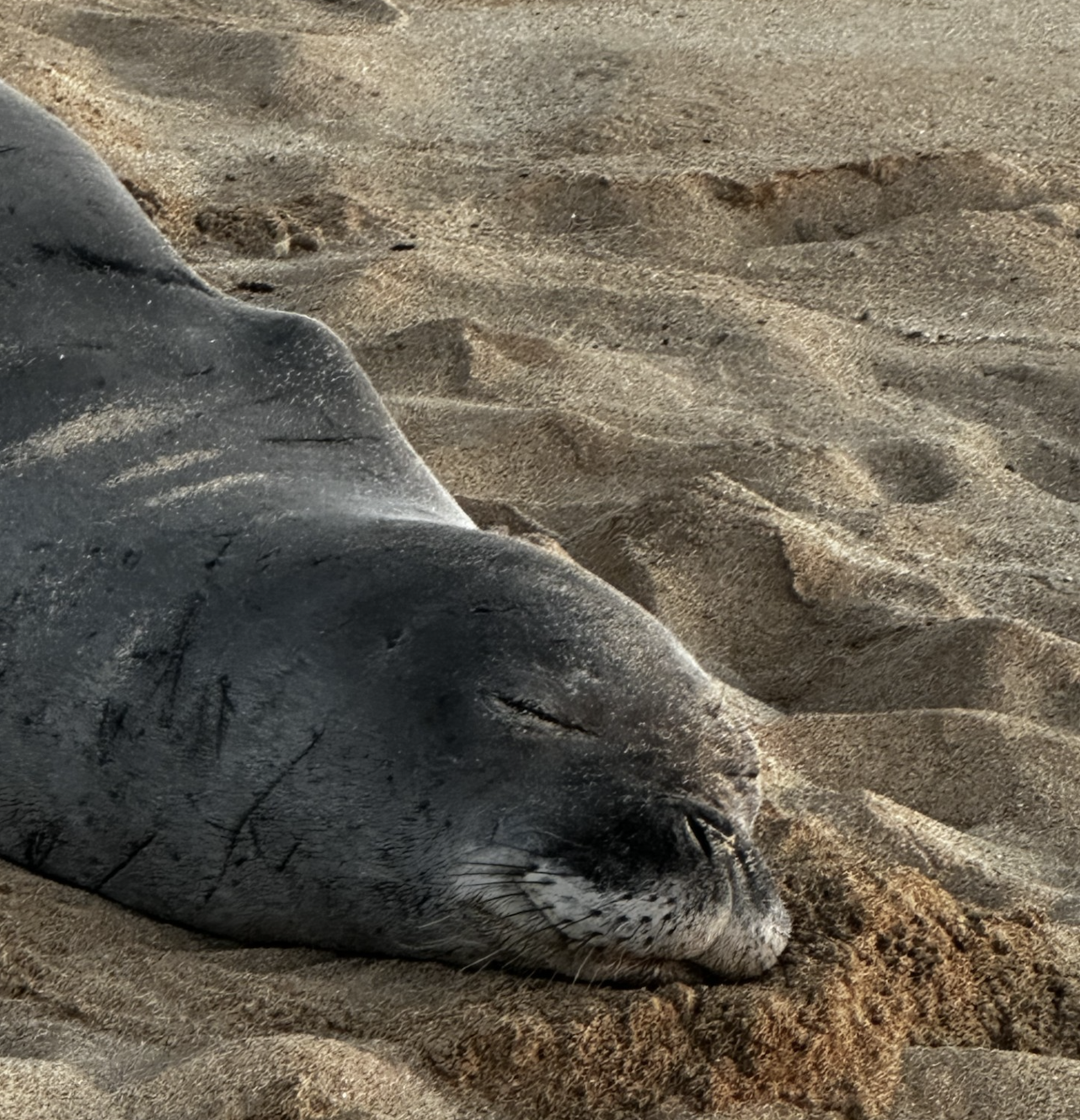
During the week, I conducted fieldwork by shadowing various occupational therapists at Wilcox Hospital. We spent our days going from room to room, trying to get patients moving in any way we could and learning more about them. Toward the end of the trip, we helped Hope Collective Church distribute clothes, food, household items and other necessities to those in need. We also explored places like Hanalei, Wailua River State Park and Waimea Canyon, and experienced activities such as ziplining and tubing down an old sugar plantation irrigation system.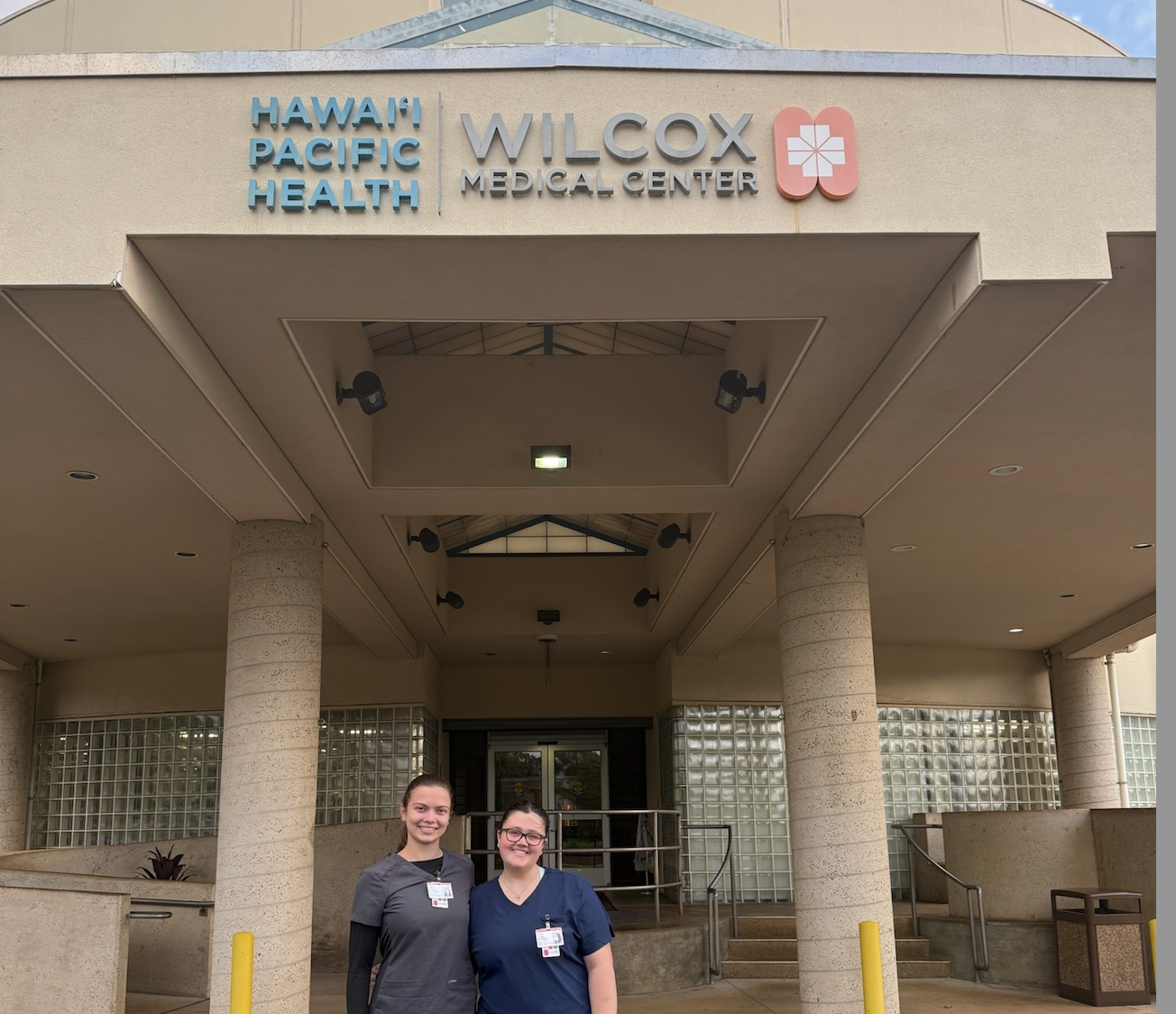
How has learning about Hawaiian culture and values connected to your Jesuit education? Did this experience enrich or change your perspective?
CM: Learning about Hawaiian culture connected to my Jesuit education through themes like cura personalis, respect for human dignity, and justice rooted in community. Hawaiian values such as “live aloha” and respect for the land emphasize building relationships, caring for others, and protecting the island. These ideas closely reflect Jesuit ideas about selflessness and community.
There was a saying in one town, “slow yourself down.” Many on the island take this idea to heart. They speak highly of the land and the people around them, and they take time to get to know their community. This experience enriched my perspective by helping me see how faith, culture and ethics are lived beyond my own community. It reinforced the idea that education should involve becoming more aware, compassionate, and socially responsible.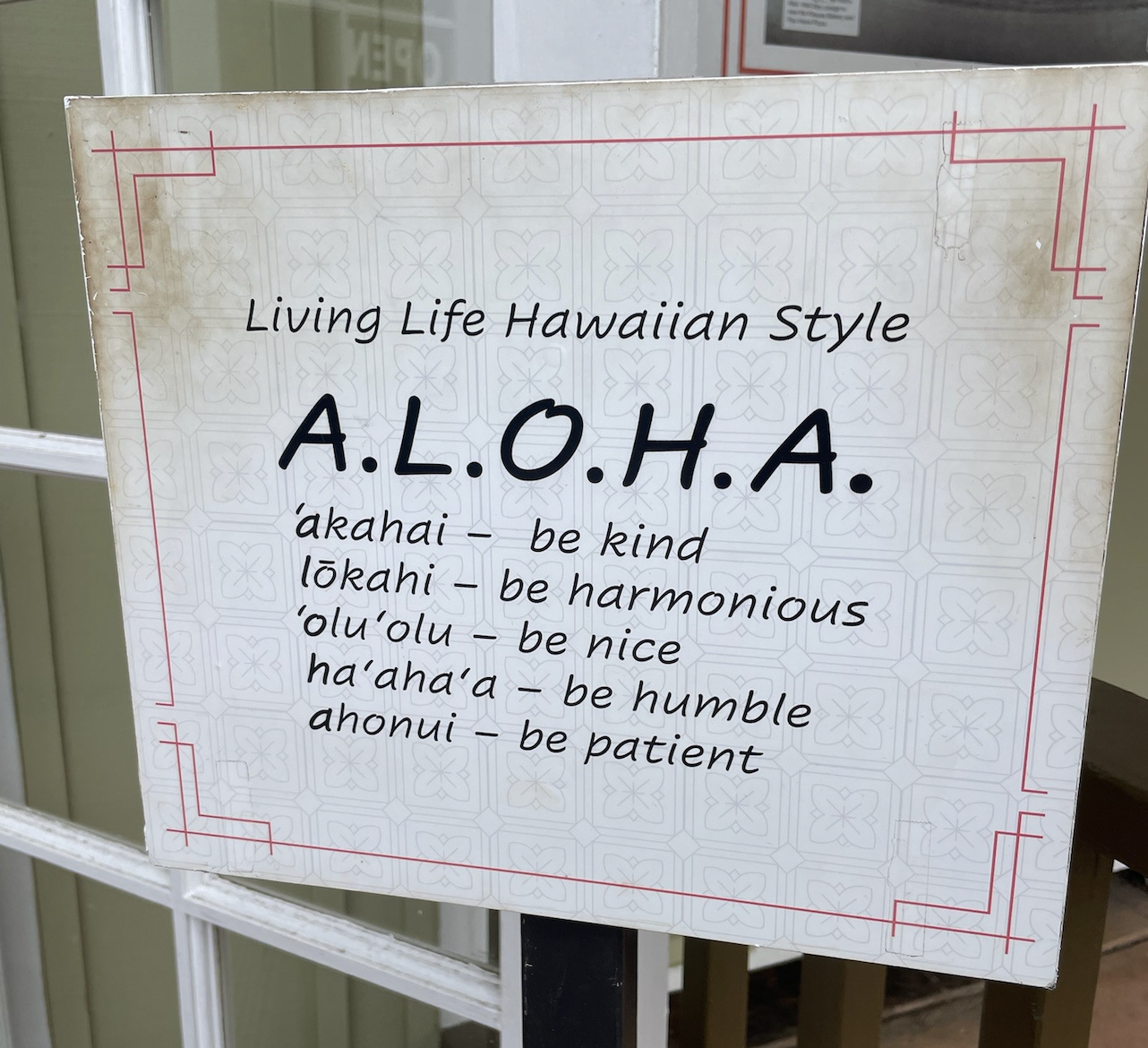
ML: Learning about Hawaiian culture and values deepened my understanding of how my Jesuit education encourages me to engage with respect, humility and authentic care for the whole person. Core Hawaiian values such as aloha, meaning love, compassion and peace; kuleana, meaning responsibility to one another and the community; and mālama, meaning to care for and protect, closely align with the Jesuit principle of cura personalis. Experiencing these values as practices within the community emphasized care for the whole person, including mind, body, and spirit.
Approaching community service through the lens of cura personalis encouraged me to be attentive to everyone’s circumstances and offer support with empathy and respect. This service opportunity strengthened my commitment to justice-oriented service and affirmed that caring for the whole person requires presence, compassion, and a willingness to learn from those we serve.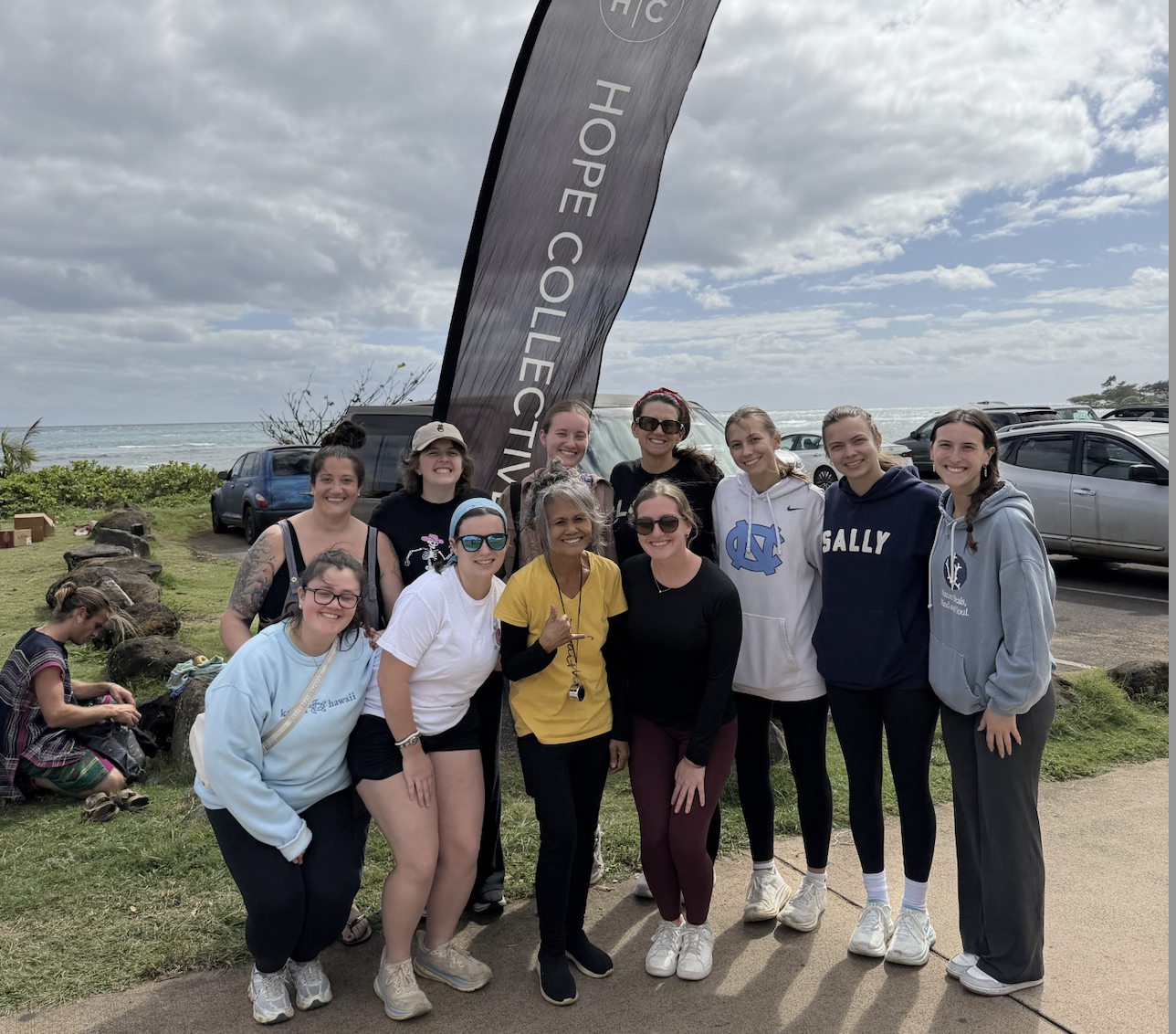
How has learning in a different cultural and healthcare environment influenced your understanding of service and/or your future goals in occupational therapy?
ML: Learning in a different cultural and healthcare environment significantly expanded my understanding of service and reshaped how I view my future role as an occupational therapist. Being immersed in Hawaiian culture emphasized the importance of cultural humility, respect and relationship building alongside clinical intervention.
After working with individuals with limited access to housing and resources, I saw how occupational therapy can serve as a vital intervention to advocate and collaborate in addressing basic needs as a foundation for engagement in meaningful occupations. This experience strengthened my desire to work in settings that prioritize community engagement and holistic, meaningful care.
CM: When performing service, every aspect of a person should be considered: culture, values and beliefs. Each individual should be viewed with respect, kindness, and empathy.
I have also seen how effective occupational therapy goes beyond clinical skills and requires genuine listening and partnership with clients and communities. This experience has influenced my future goals, as I will strive to provide care that honors clients’ cultural identities, daily occupations, and lived experiences.
Can you describe a meaningful moment from the trip and the role you played as a student volunteer?
CM: The most meaningful moment on the trip for me was providing some OT services to a man during our service event. He had suffered a stroke and was experiencing muscle weakness and spasticity on his left side. With one of the OT graduate students, we tried to figure out ways to help him. We taught him stretches he can use to help with his spastic left hand and educated him on the importance of moving around and stretching his muscles.
We even rolled up a children’s sock from the donations to place in his hand to provide a stretch throughout the day. He was willing to learn and grateful for the help we were able to give. That experience showed me how meaningful even small interventions can be.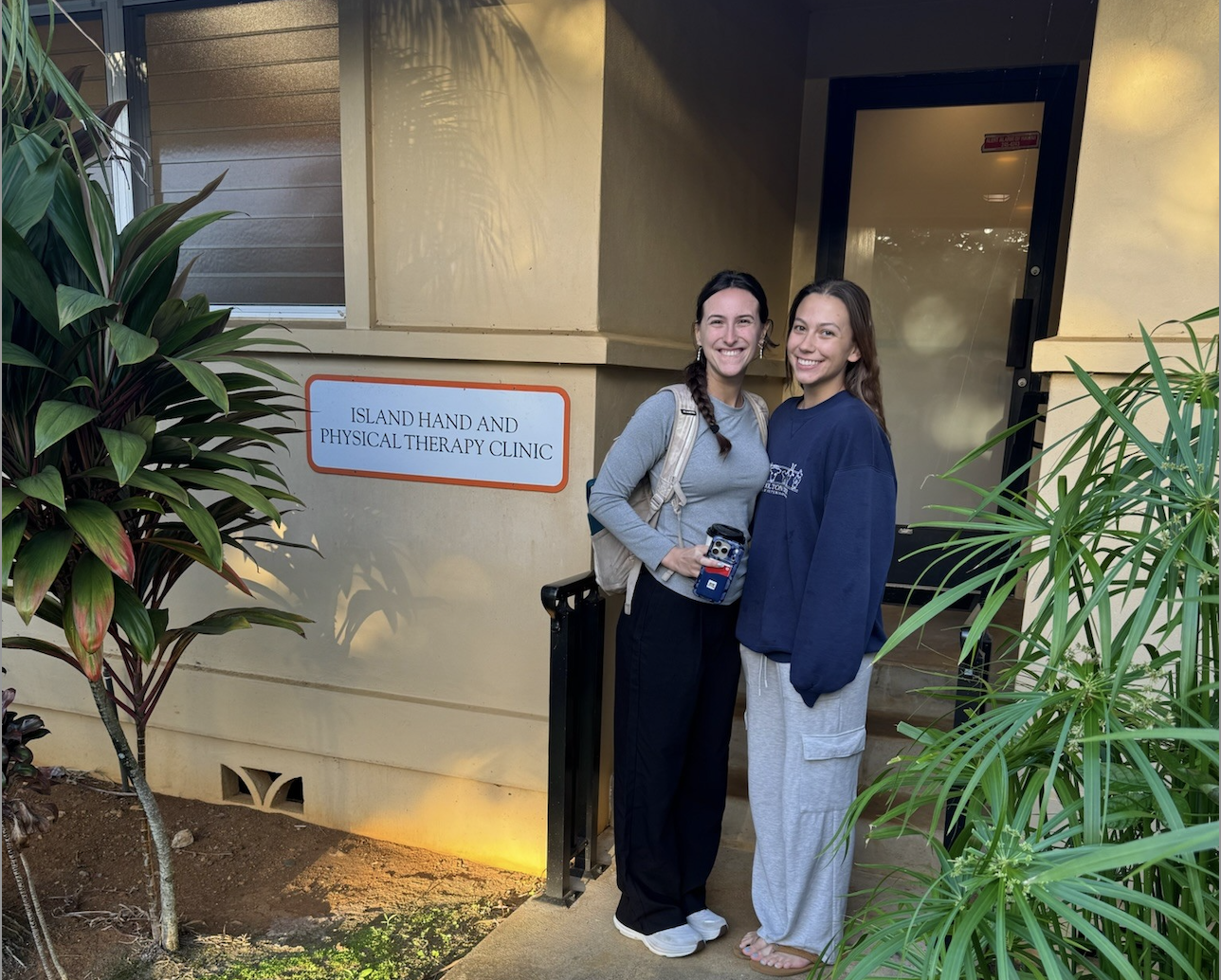
ML: A meaningful moment from the trip was the nightly group discussions we held at the end of each day. These debriefing sessions brought together all of the students and professors to reflect on the experiences, challenges and observations from the day’s fieldwork.
As a sixth-year graduate student who has already completed all fieldwork rotations, I provided mentorship during these discussions. I offered suggestions, professional insight and practical strategies, particularly to undergraduate students navigating Level I fieldwork. These moments reinforced the importance of collaboration, mentorship, and shared reflection in occupational therapy education.