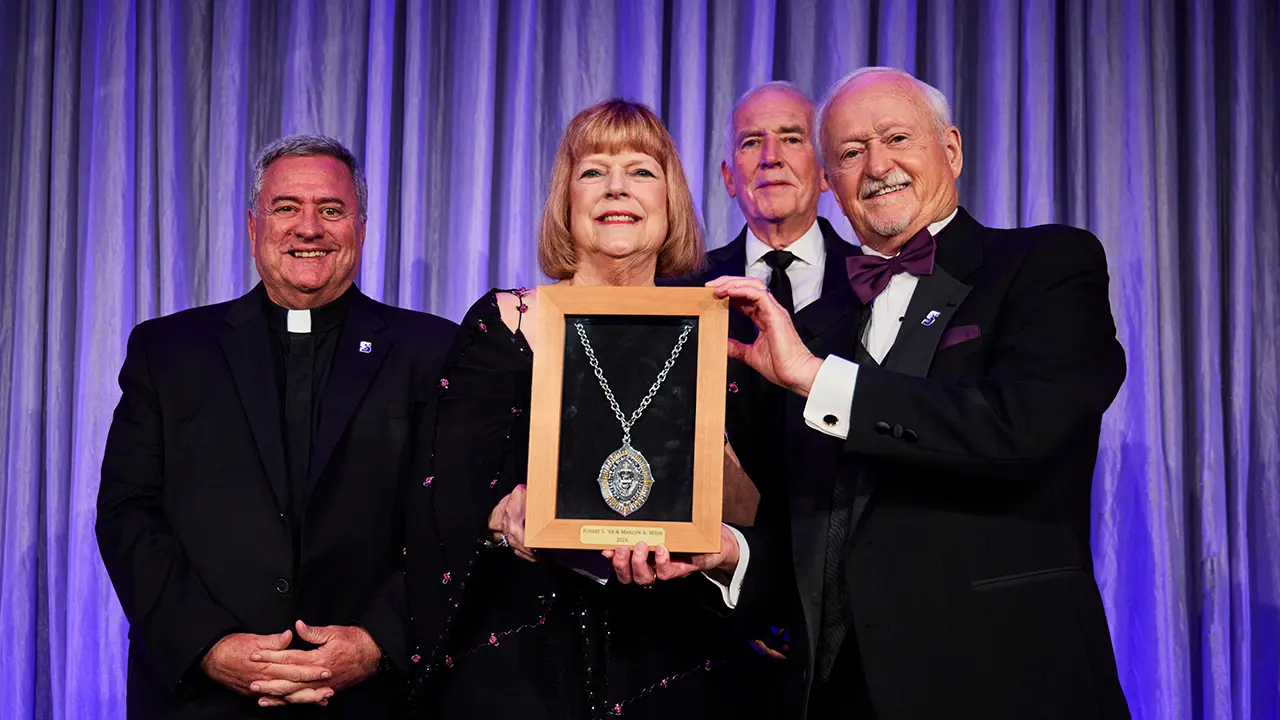
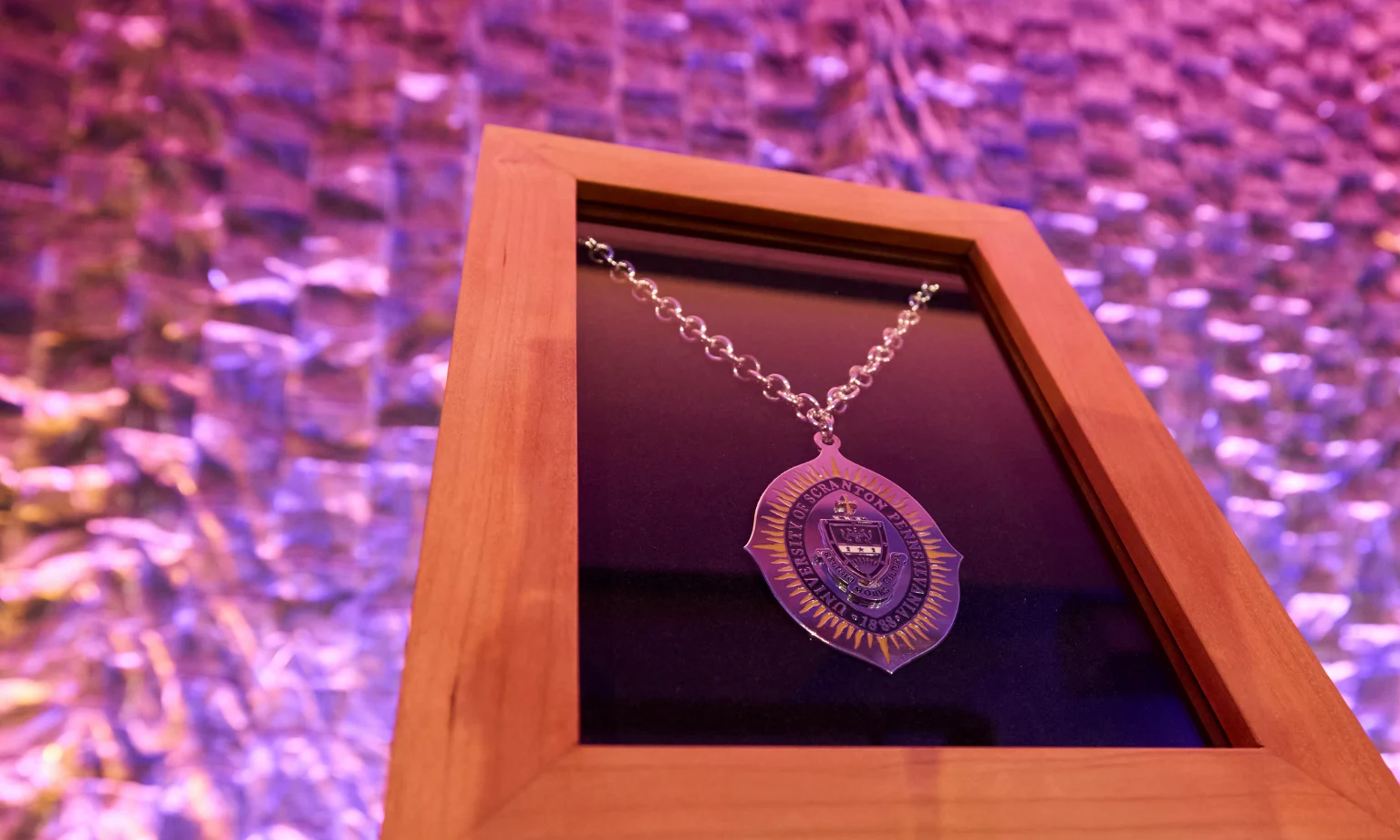
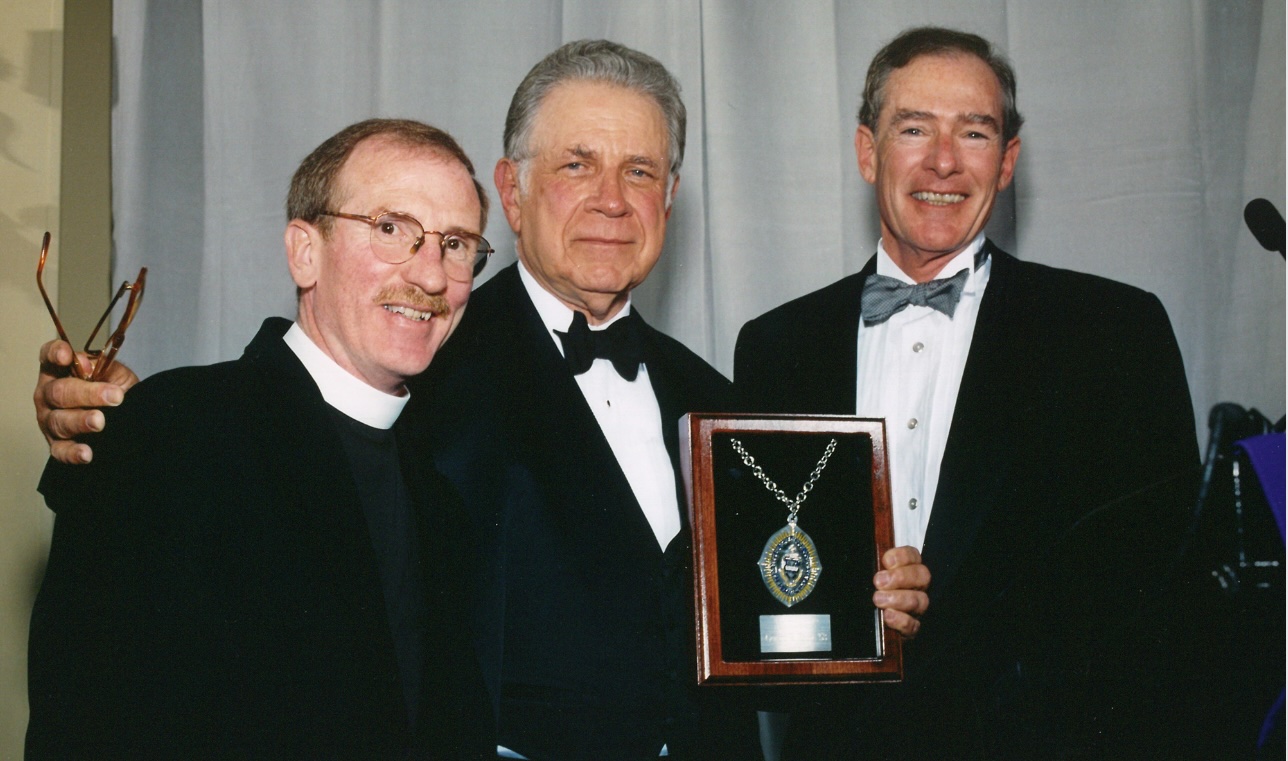
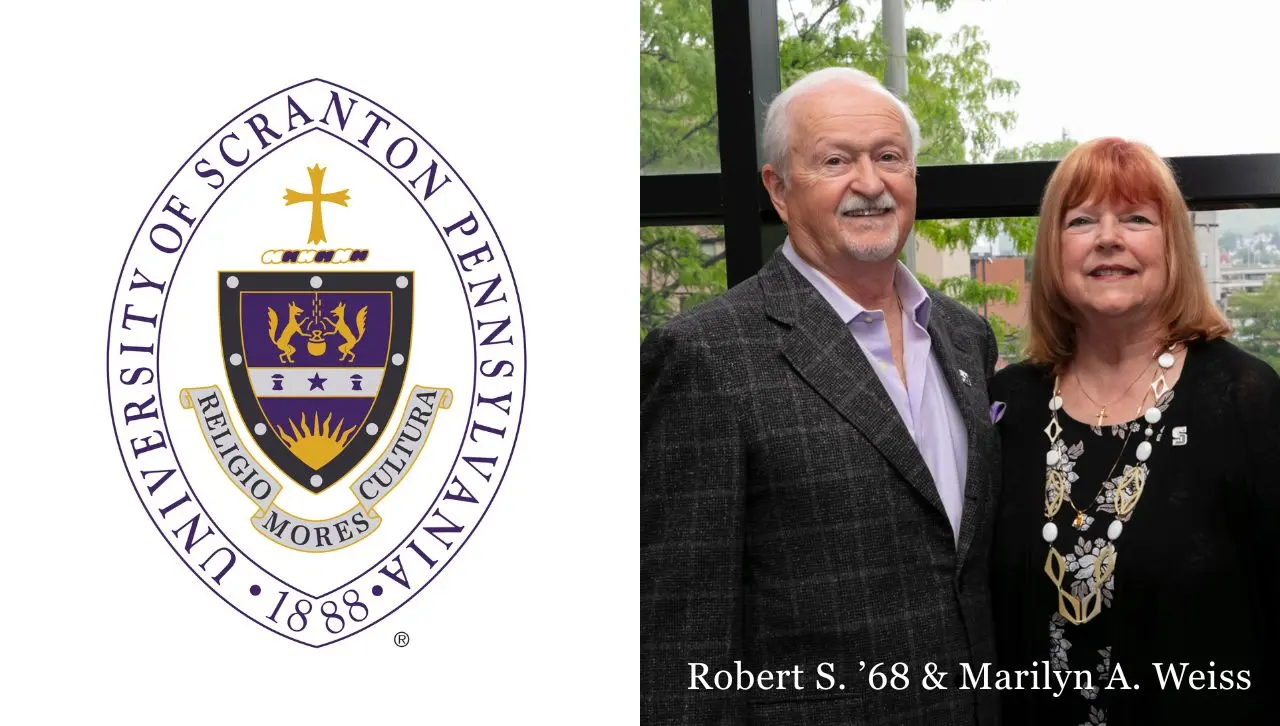
The University honored Robert S. ’68 and Marilyn A. Weiss, longtime Scranton benefactors, with its President’s Medal Oct. 1 at the President’s Medal Gala before announcing it had fully endowed its Presidential Scholarship Endowment Fund by raising $30.2 million over the course of its 25 President’s Medal dinners.
“Welcome to one of the greatest nights in the life of The University of Scranton,” said Rev. Joseph G. Marina, S.J., University President, without hyperbole to the hundreds of alumni, parents and friends of the University gathered at Pier Sixty in Manhattan for the occasion. “Tonight, we celebrate many things. We celebrate our best and brightest students. We salute the generosity of the benefactors who make so many things possible for our mission. And, of course, we honor two very special people who have made such a difference for the advancement of our mission – our President’s Medal honorees Bob and Marilyn Weiss.”
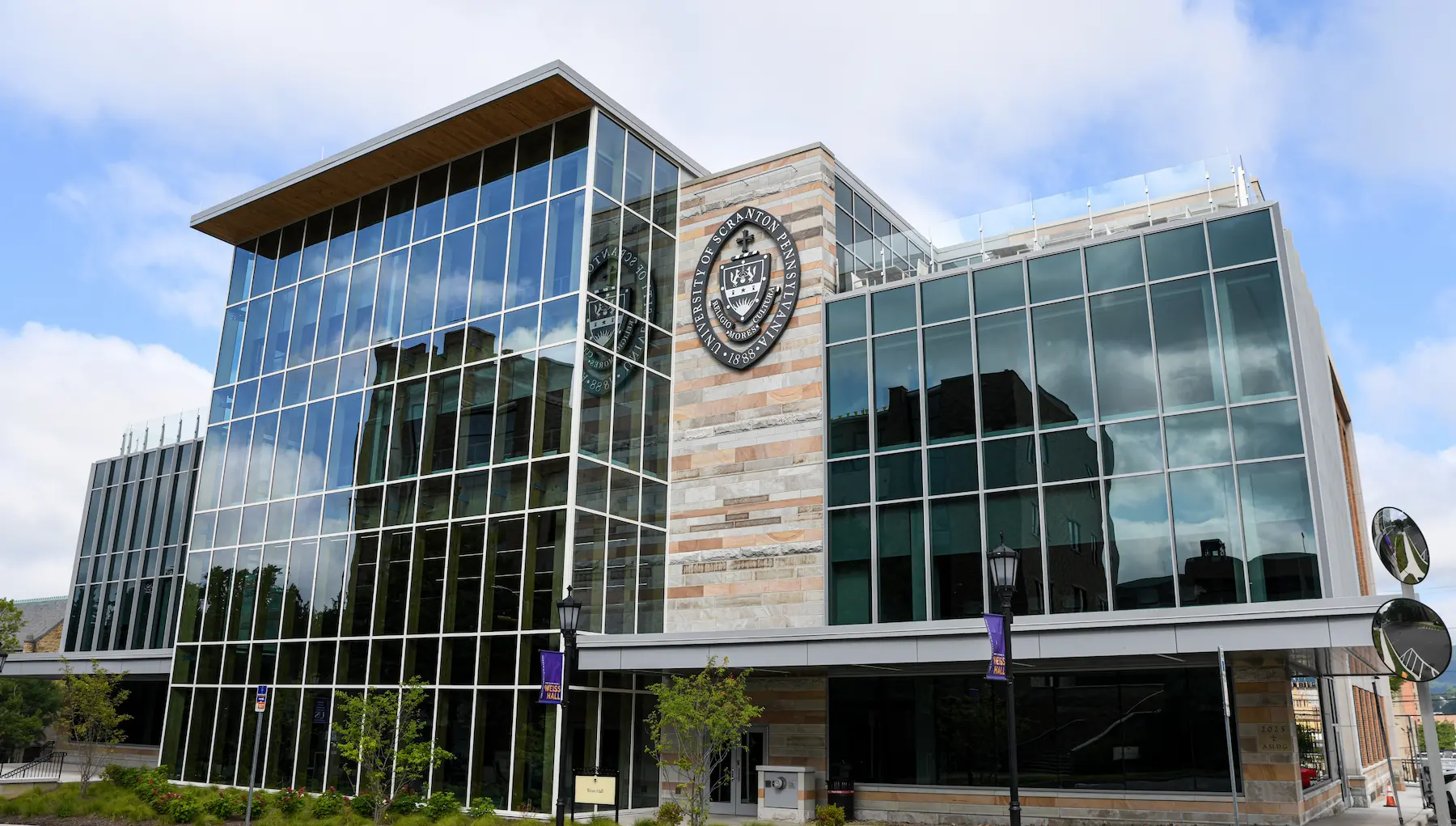
Scranton has held a special place in the hearts of Bob and Marilyn ever since they met at a “U Dance” at the Gunster Memorial Student Center in 1966. Their 2015 gift of $1.25 million resulted in the creation of the Robert and Marilyn Weiss Pediatric Low Vision Research and Training Suite, and their 2016 gift of $1 million established Robert and Marilyn Weiss Field as a first-class home for Scranton’s soccer, lacrosse and field hockey teams. In 2024, their gift of $10.5 million, the largest single donation in the history of the University, blossomed into the four-story, 90,000 square-foot Robert S. and Marilyn A. Weiss Hall. The building houses the University’s Department of Criminal Justice, Cybersecurity and Sociology, the Department of Psychology, Student Health Services, the Center for Health, Education and Wellness, the Small Business Development Center, the University of Success, and the state-of-the-art IDEA Center, which features woodworking, 3D printing, laser engraving, sewing and audio recording capabilities.
“A ‘farm boy’ from Lake Ariel meets a ‘city girl’ from South Side at a dance in the Gunster Center,” said Father Marina. “They have achieved so much … and through it all, they have never forgotten where their story began.
“Bob and Marilyn, though your lives took you across the country, it’s wonderful to know that Scranton never left your hearts. Your roots are in the county of Lackawanna, and they have continued to nourish our University. Tonight, we have the privilege of telling you something that can never be said often enough: thank you. Not only for your generosity, but thank you for helping us see clearly with a vision toward the future.”
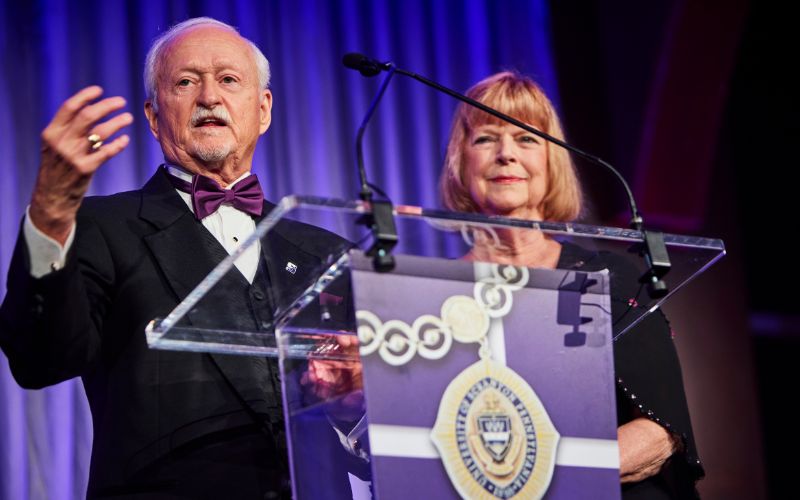
The University presents the President’s Medal to individuals who have achieved excellence in their fields and who have demonstrated extraordinary compassion for others. Upon accepting the award, Bob said his Scranton education prepared him for both the entry and elite levels of the business world.
“I’ve worked extensively with graduates from Harvard, from Yale, Princeton, Columbia, MIT, Berkeley, and … Stanford,” Bob said. “In all the years of my career, in tens of thousands of meetings on multiple subjects, I always felt comfortable because of the education I got at Scranton. It left me confident in how to proceed, how to plan things strategically.
“When I think of my career education at Scranton, it essentially was transformational and not only transactional. It taught me strategy and not only tactics. When you build a business plan, you essentially deal with the nuts and bolts – they’re called the tactics. When you deal with the big picture, the 50,000-foot level, you’re really strategic planning. You’ve got to know what you’re about, what is your dream, what are you trying to accomplish, where are you trying to go, and importantly, how are you going to try to get there? Scranton gave me all those tools, and I’m forever indebted to Scranton for that.”
As she accepted the award, Marilyn said she hopes students will continue to appreciate all that Weiss Hall and Weiss Field have to offer, and she also hopes that anyone who would benefit from the low vision suite’s services will receive the help they need.
“May God bless you all,” she said. “We won’t forget this day.”
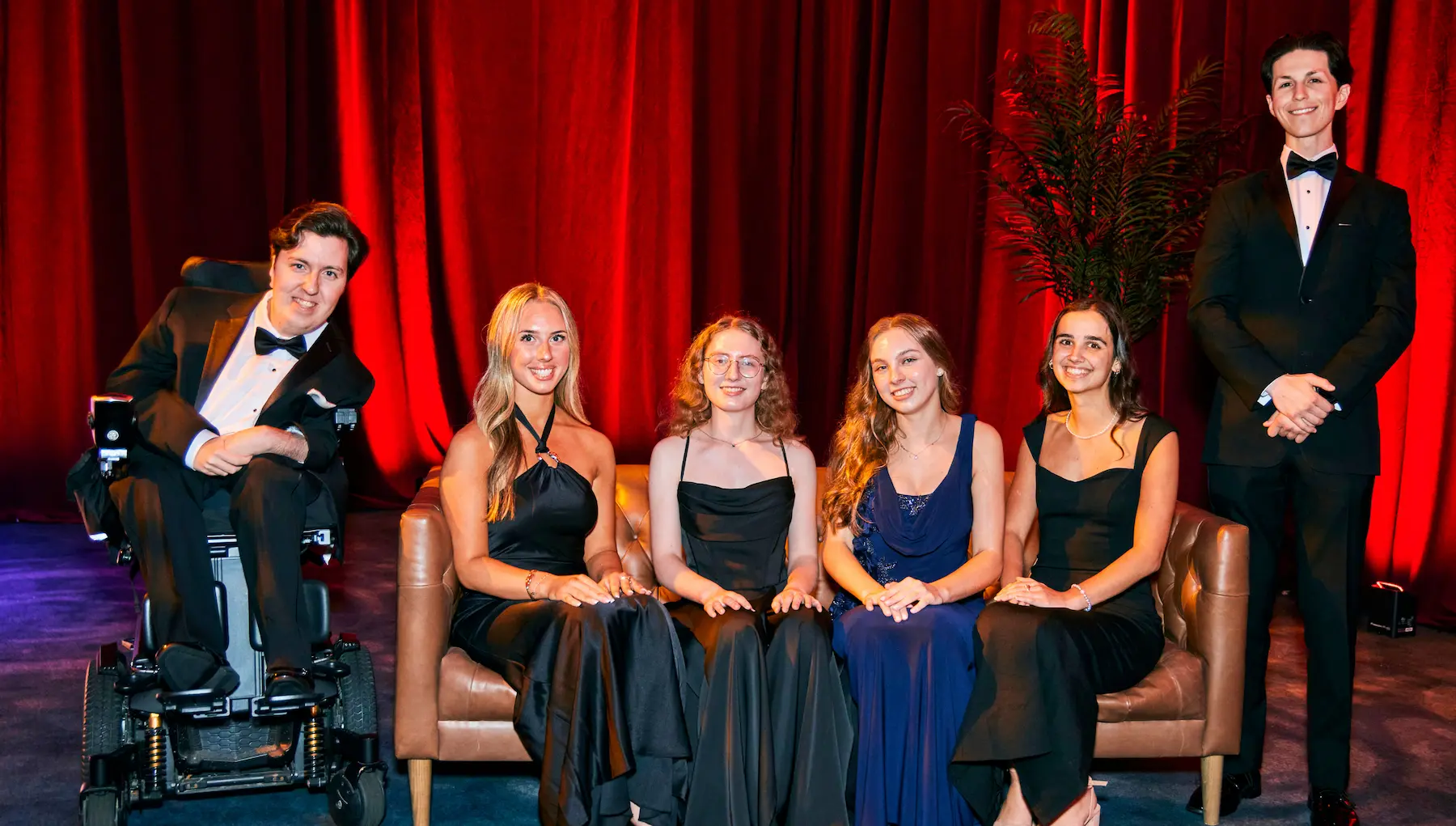 The Presidential Scholars of the Class of 2027.
A Great Night for Scranton
Prior to the event’s cocktail hour, table sponsors and their guests enjoyed the Purple Parlor, an exclusive speakeasy-themed VIP reception featuring bourbon tastings, flair bartenders, and 1920s jazz performed by Joseph Boga and the Manhattan Monarchs.
After the cocktail hour, master of ceremonies Bobby Davis ’03, executive vice president, announced that the University was incredibly close to fully funding the Presidential Scholarship Endowment Fund, which provides four-year, full-tuition, merit-based scholarships to promising students, by raising its lifetime total to $30 million, a goal it had set at the 2025 President’s Medal Gala, when its total was $23 million. He then announced that an anonymous donor had pledged to match every gift made at the event up to $1 million, effectively doubling the giving power of everyone in the room. By the evening’s end, the fund’s total stood at $30.2 million, a testament to the thousands of Royals who had supported Presidential Scholarships through the fund since its inception in 2002.
“At its core, the Presidential Scholars Program is about expanding access to education,” Father Marina said. “Consistent with our Catholic and Jesuit mission, we believe that gifted and motivated students should have the opportunity to pursue an outstanding education regardless of their financial means. By securing a full endowment of this program, the University and its benefactors have invested in future generations whose young men and women will continue to have access to a life-changing education that forms the whole person.”
Throughout the evening, the event’s attendees also enjoyed comments from University Trustee and President’s Business Council Chair Elizabeth A. Madden ’96 and Presidential Scholar Jillian DelBalso ’27, a philosophy and biochemistry, cell and molecular biology double major who received a special introduction from Presidential Scholar Alumnus Dominic Finan ’23.
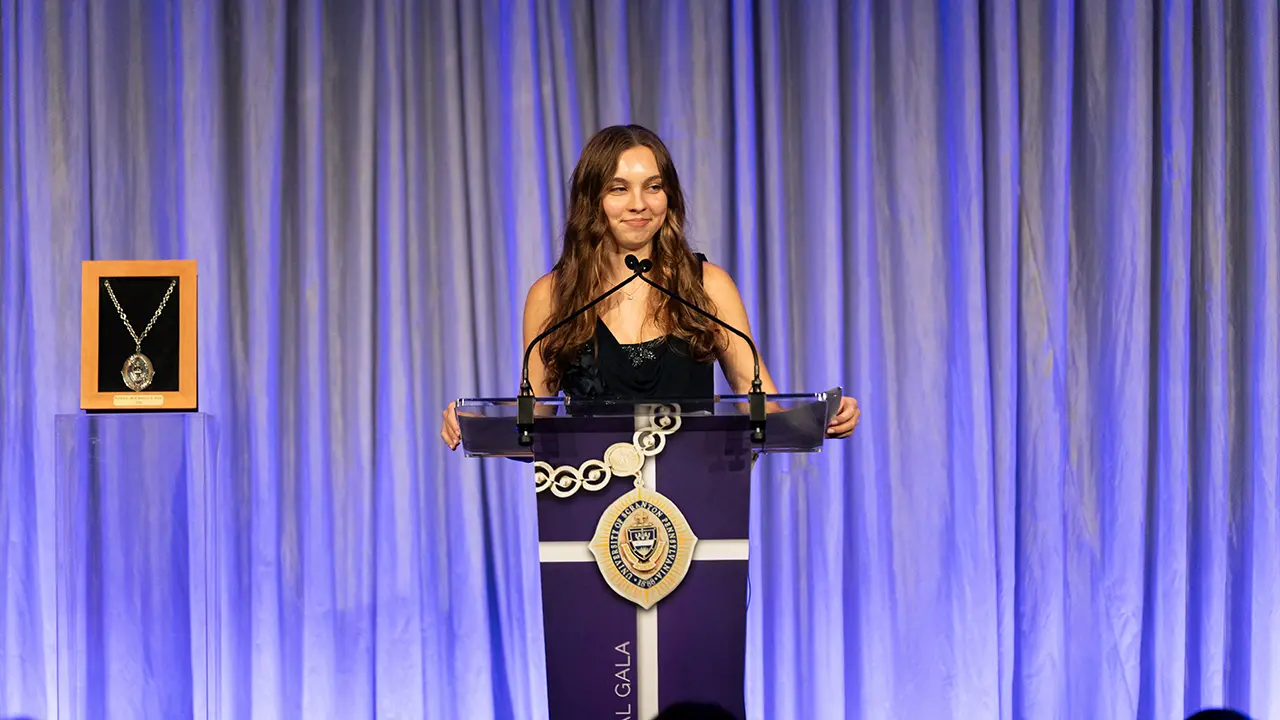 Presidential Scholar Jillian DelBalso ’27 speaks at the President’s Medal Gala.
“Each of the nine Presidential Scholars in the Class of 2027 came to Scranton with their own interests, goals and dreams,” DelBalso said. “Our experiences may not have all looked the same, but we share something important. Someone believed in what we could become before we even had the chance to fully discover it for ourselves. That is what the Presidential Scholarship does. It doesn’t just invest in a student’s education. It invests in their future.”
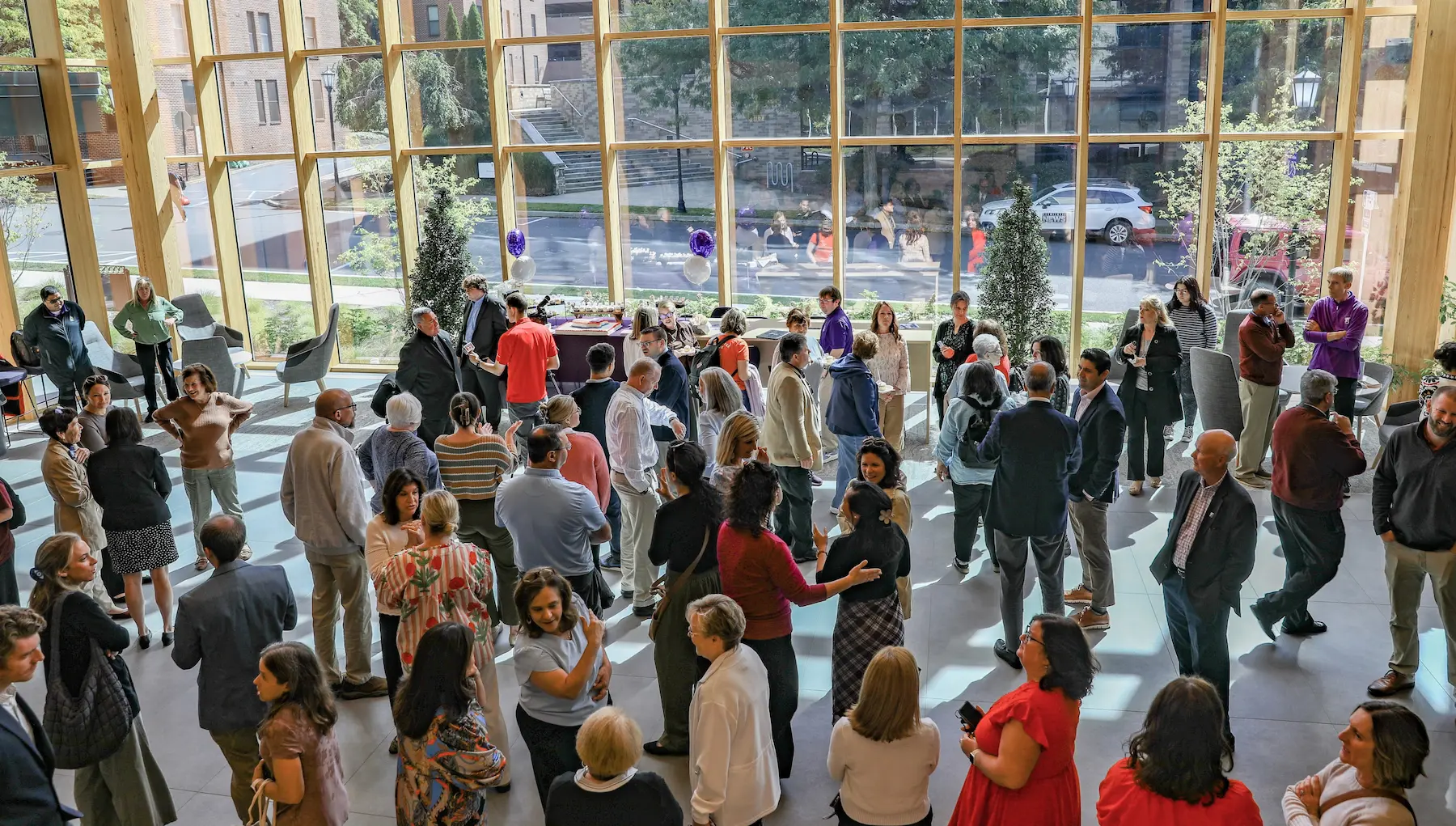
As previous honorees mingled with current students amidst an electric purple glow, Father Marina expressed his gratitude for everyone who supports the University’s mission.
“Whether you have supported Scranton for decades or are joining us for the first time, you are part of our mission,” he said. “We hope that every student whose life is changed by a Scranton education will go out into the world as a person of faith and be a person for and with others. That is how a scholarship becomes much more than financial assistance, and that is how the mission of Scranton continues to advance from one generation to the next.”
See photos from the event here. Support the Presidential Scholarship Endowment Fund here.
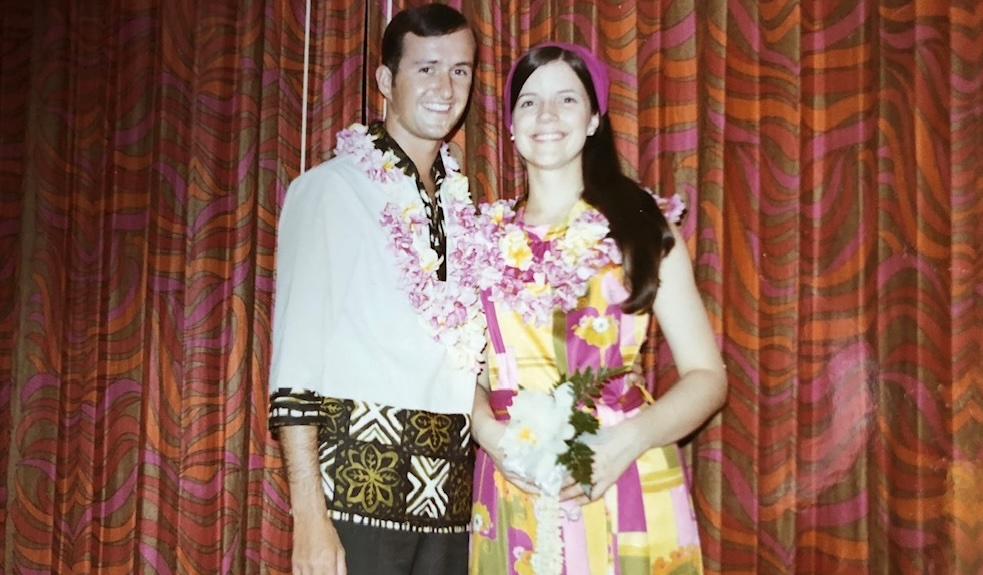 Bob '68 and Marilyn Weiss celebrate their wedding day in Oahu, Hawaii in 1970.
About the Honorees
A native of Lake Ariel, Bob became the first person in his family to attend college when he began studying accounting through the University’s ROTC program. As a U.S. Army Captain, he was awarded two Bronze Stars and the Army Commendation Medal for his service in Vietnam. He became a certified public accountant and began working as an assistant corporate controller in 1977 at Cooper Laboratories Inc., which would eventually become The Cooper Companies, Inc., a multinational manufacturer and marketer of specialty healthcare products with annual revenues exceeding $4 billion.
Bob rose through the ranks at Cooper during a remarkable 41-year career, serving as corporate controller, treasurer, chief financial officer, chief operating officer, president of Coopervision, and, ultimately, president and CEO. During Bob’s time at the company, Cooper had a number of industry-defining breakthroughs, including the development of intraocular lenses and Lasik surgery, two advancements that have helped millions see more clearly. Under Bob’s leadership, the company sought to address the approximately 50% of children and young adults aged 5-22 who are suffering from progressive myopia, a condition that often leads to eye diseases such as cataracts, glaucoma, retinal detachment and macular degeneration later in life, by developing MiSight, a soft contact lens that was ultimately approved by the FDA in 2019 for myopia management in children aged 8-12. Bob was named the “Most Admired CEO of 2012” by the San Francisco Business Times, and he was recognized with the Albert Nelson Marquis Lifetime Achievement Award for 2017-2018. After retiring in 2018, he became the chair of Cooper’s board of directors through January of 2026, and he remains on its board today.
Bob was honored by the University with the Frank J. O’Hara Distinguished Alumni Award in 2008. As a University trustee, he became informally known as “the pizza guru” due to his unabashed love of and enthusiasm for the pizza of Northeastern Pennsylvania. He also sponsors the Pediatric Refractive Error Training Center, an eyecare clinic in Hanoi, Vietnam, that trains optometrists to fight the growing pandemic of myopia.
A native of South Scranton, Marilyn studied at the University through the Scranton State General Hospital School of Nursing. She served as the head nurse at the Edward S. Harkness Eye Institute at Columbia Presbyterian Medical Center in New York and as a pediatric nurse at Bayside Pediatrics in Pleasanton, California.
Bob and Marilyn are frequent sponsors of local charitable causes in the San Francisco East Bay area, including Goodness Village, which provides tiny homes and supportive services to the Tri-Valley’s formerly unhoused neighbors, Valley Humane Society, and the Bay Area Military Classic & The Joey Graves Memorial Golf Tournament, which supports Gold Star Families.
The couple are the proud parents of three children, Chris, Kim and Doug, and they are blessed with two grandchildren, Kylie and Jayden. They reside in Pleasanton, California.






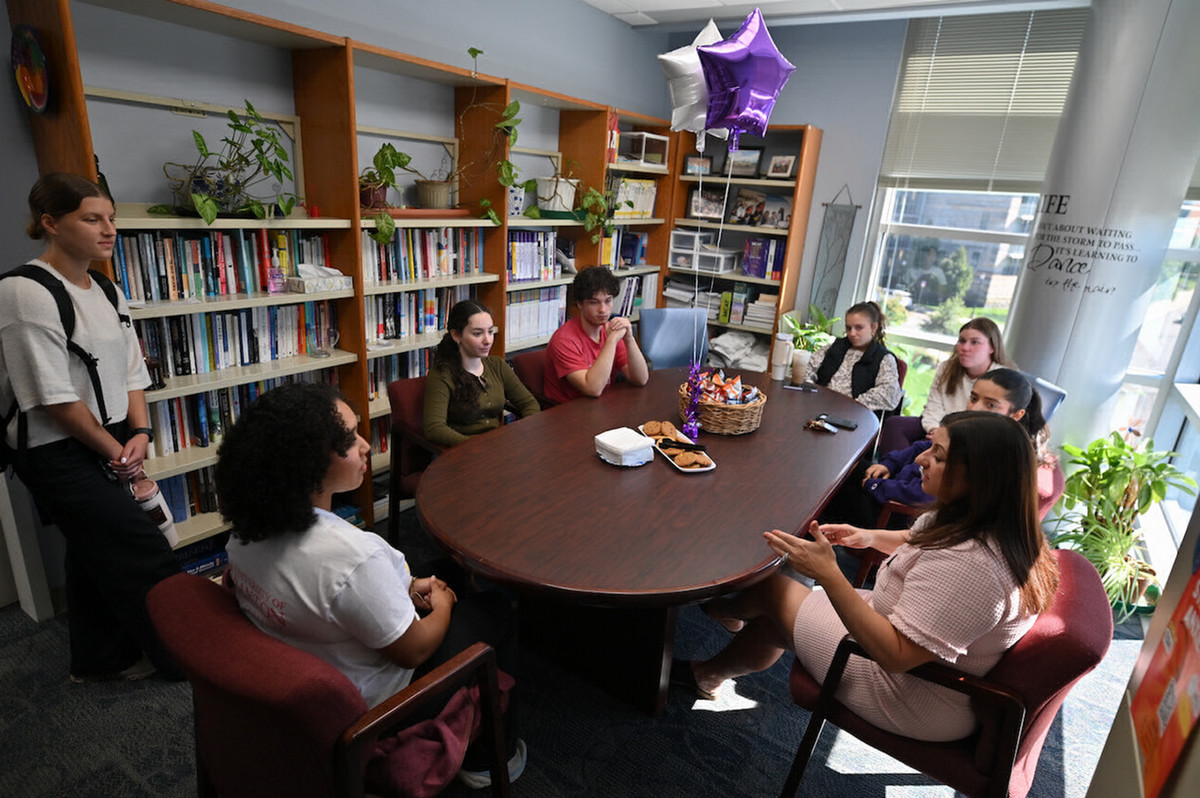
 “We meet every Wednesday at 6:30 p.m. and host presentations from alumni and admissions folks from professional schools. Our students do presentations as well. We host lunch-and-learn sessions here every other week by some distinguished faculty from our local medical school,” Dr. Ferentino said, of the HPO.




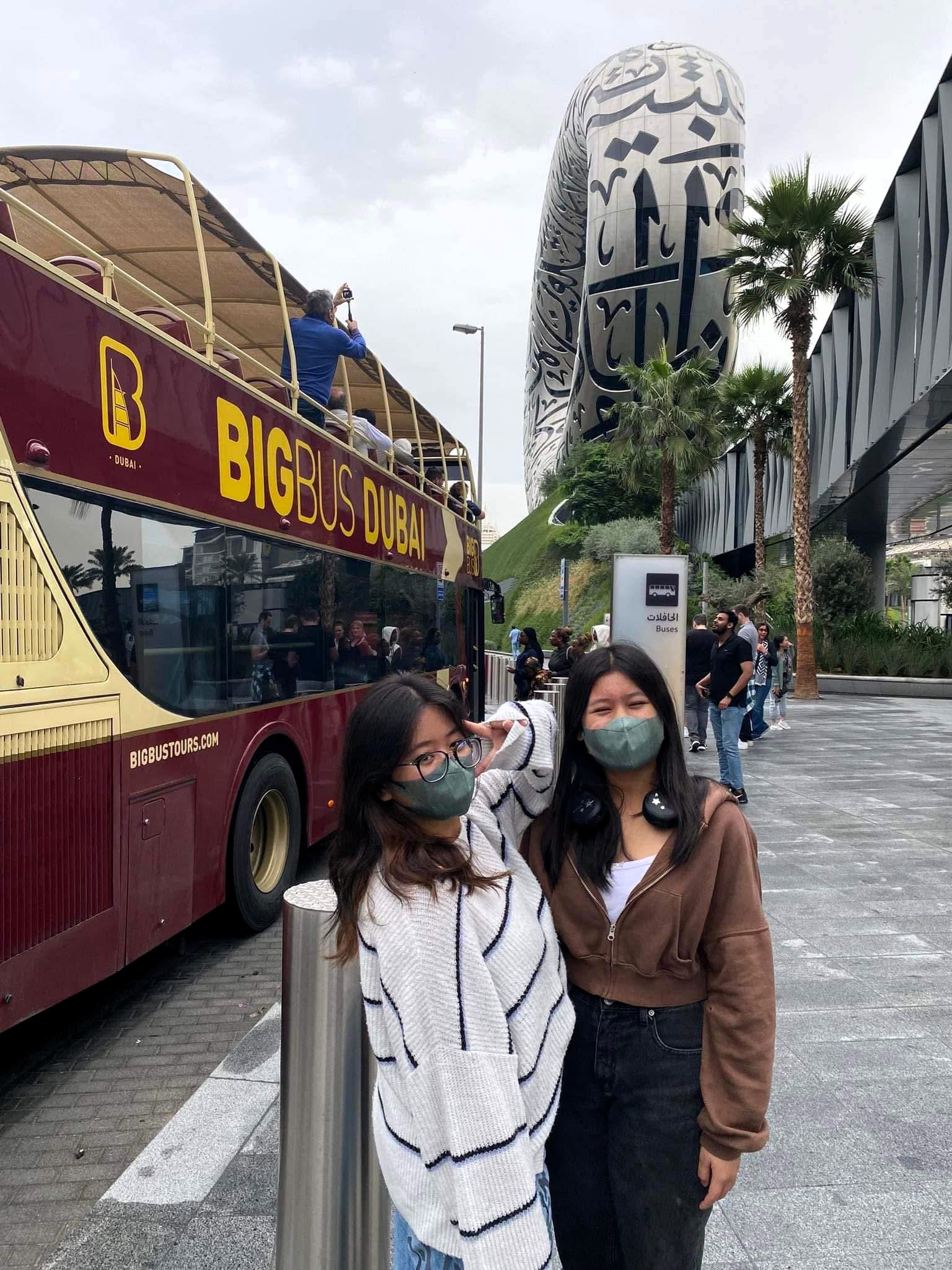 What is your favorite activity in UAE?







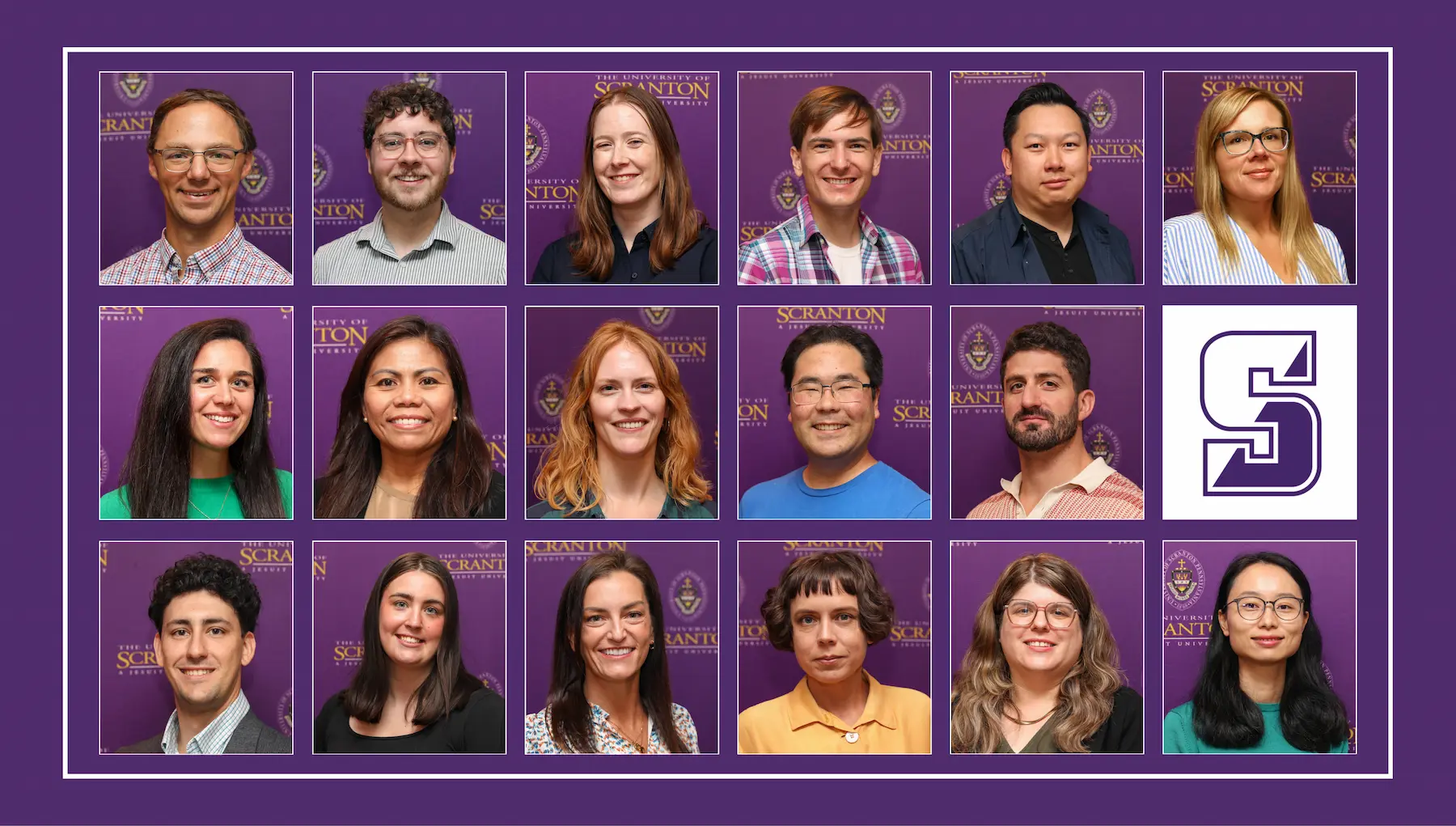
 Emma Boyle
 Collin Brice, Ph.D.,
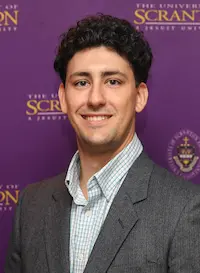 Greg Campbell, Ph.D.
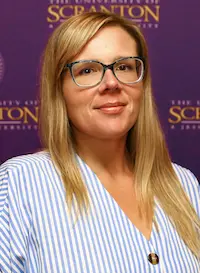 Kaitlyn Clarke, Ph.D.
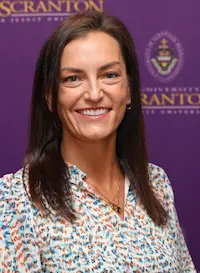 Madison Conway
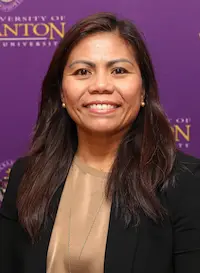 Carla Enriquez, Ph.D.
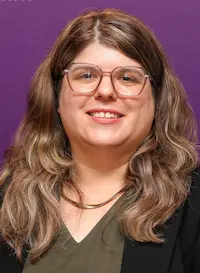 Erica Getts
 Sarah Hunt (Livick-Moses), Ph.D.
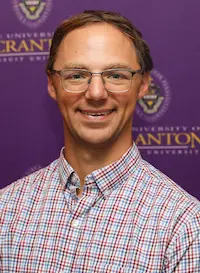 Jonathan Kadjeski
 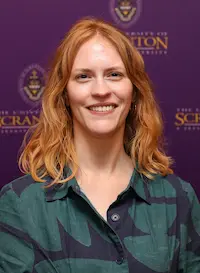 Juliana Kazemi, Ph.D.
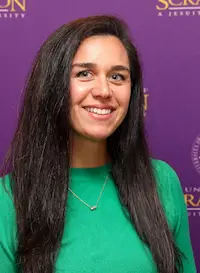 Samantha Kelly, Ph.D.
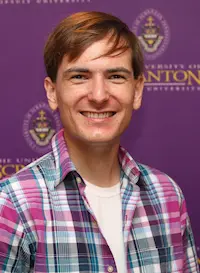 Charles Kulick, Ph.D.
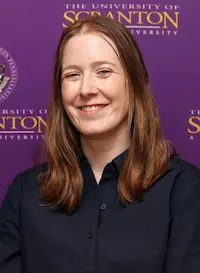 Margaret Maurer, Ph.D.
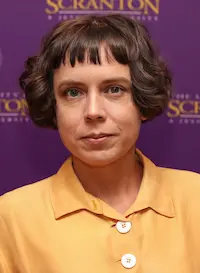 Katherine McLeod, Ph.D.
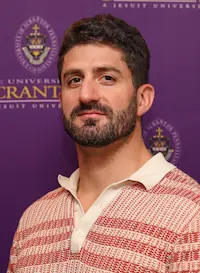 David Sannino, Ph.D.
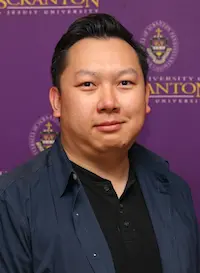 Jonathan Thai, Ph.D.
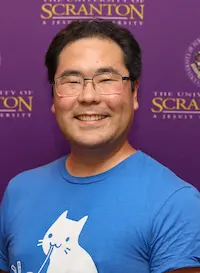 Yuzo Yanagitsuru, Ph.D.
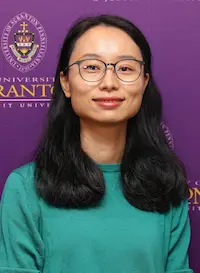 Yiling Zhou, Ph.D.
 View Archives